Laser Dentistry in Daly City, CA
Laser Technology That Changes What Gum Treatment Feels Like
Dental lasers use focused light energy to cut, reshape, or remove soft tissue—the gums and surrounding oral tissues—with a level of precision, control, and gentleness that conventional instruments cannot match. The laser energy seals small blood vessels as it works, reducing bleeding significantly during the procedure. It also sterilises as it goes, reducing the risk of post-procedure infection. For many procedures, stitches are not required.
At this practice, the dental laser is a soft-tissue tool used for gum and oral tissue procedures where precision and minimal trauma are critical. Crown lengthening creates the exposed tooth structure needed to properly place a crown or to improve the appearance of a gummy smile. Gum recontouring reshapes an uneven or excessive gum line to create a more balanced, symmetrical frame for the teeth. Laser-assisted periodontal treatment removes infected tissue and bacteria from diseased gum pockets with less discomfort than conventional techniques.
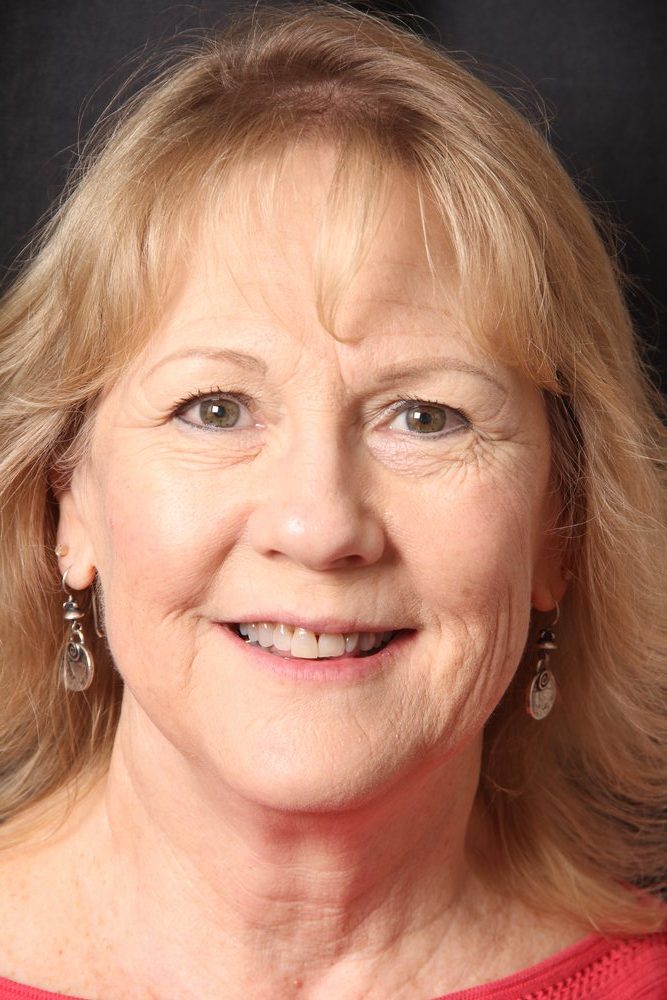
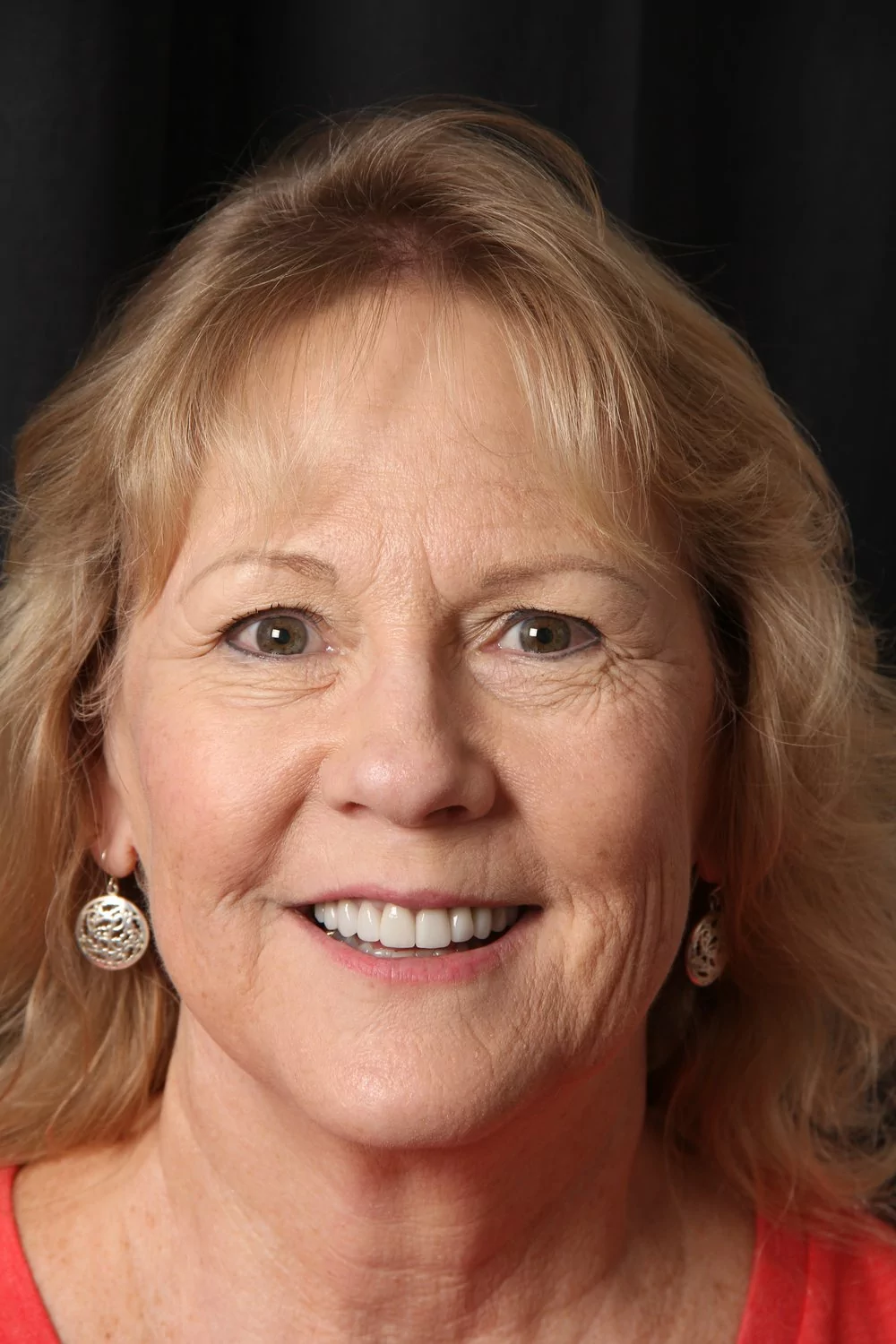
Every laser procedure is planned and performed by Dr. Hovden—an AACD-accredited fellow and 1 of 80 practicing dentists worldwide with that credential. The aesthetic outcome of every laser procedure reflects that standard: the gum line is reshaped not just for health but for proportion, symmetry, and the way it frames the final smile. Connie’s laser crown lengthening case on this page demonstrates what that level of planning and execution produces.
Laser Dentistry at a Glance
Soft-tissue laser procedures
Type
Soft-tissue laser — gum and oral tissue procedures
Applications
Crown lengthening, gum recontouring, gum disease, frenectomy, lesion removal
Benefits
Less bleeding & swelling, often no stitches, reduced infection risk, faster healing
Comfort
Less trauma than conventional surgery — many patients require less anaesthetic
Standard
AACD Accredited Fellow — aesthetic outcome of every laser result planned to cosmetic standard
Cost
Financing available — some procedures covered by dental insurance
Precision Soft-Tissue Laser
Crown lengthening, gum recontouring & more
Less Bleeding & Faster Healing
Laser seals as it works—often with no stitches
AACD Accredited Fellow
1 of 80 practicing dentists worldwide.
1 of 2 in the Bay Area
Operating Microscope Precision
Laser & microscope combined for optimal outcomes
Financing available
Call our office to learn more!
Why Laser Over Conventional Surgery
The Advantages of Laser Soft-Tissue Treatment
Laser gum procedures are better for the patient in almost every measurable way: during the procedure, immediately after, and in the days that follow.
Less Bleeding
The laser energy seals small blood vessels as it works—dramatically reducing bleeding both during and after the procedure compared to conventional scalpel surgery. A cleaner operative field means greater precision and a more comfortable experience.
Often No Stitches
Because the laser seals the tissue as it cuts, many soft-tissue laser procedures do not require sutures. This means no second appointment for stitch removal and a noticeably more comfortable recovery for the patient.
Faster Healing
Less tissue trauma means the healing process is shorter and less uncomfortable. The laser’s sealing and sterilising effect on the wound reduces post-procedure inflammation. Most laser gum procedure patients recover significantly faster than those who have conventional gum surgery.
Reduced Infection Risk
The laser energy sterilises as it cuts—killing bacteria in the surgical site during the procedure itself. This reduces the risk of post-operative infection compared to conventional surgery and is particularly valuable in periodontal treatment where bacteria are the primary driver of the disease being treated.
Greater Precision
The focused laser beam allows the dentist to work with a level of precision that is extremely difficult to achieve with a scalpel—removing only what needs to be removed, preserving healthy tissue, and shaping the gum line with control that directly determines the aesthetic outcome.
More Comfortable Procedure
The reduced trauma of laser soft-tissue procedures means many patients require less anaesthetic than they would for equivalent conventional surgery, and experience less post-operative discomfort. Many patients with dental anxiety find laser procedures significantly easier to tolerate.
Less Damage to Surrounding Tissue
The laser’s precision limits disruption to the surrounding healthy tissue that conventional instruments inevitably contact. The result is a more targeted procedure, a more predictable healing response, and a better long-term outcome for the treated area.
Better Aesthetic Control
When gum recontouring or crown lengthening is part of a cosmetic treatment plan, the precision of the laser translates directly into better aesthetic control. The gum line can be shaped to exact proportions — creating the balanced, symmetrical frame that transforms a smile before a single veneer or crown is placed.
Laser Procedures at This Practice
Soft-Tissue Laser Applications—Each Delivered to an AACD Standard.
The dental laser is used where its precision and gentleness produce outcomes that conventional instruments cannot match — always planned with the aesthetic result in mind.
Laser Crown Lengthening
Crown lengthening uses the laser to reshape the gum tissue—and where needed, the underlying bone contour—to expose more tooth structure. It is performed for two reasons: restorative crown lengthening (exposing enough tooth structure to support a crown when insufficient structure is visible above the gum line) and aesthetic crown lengthening (reducing a “gummy smile” where excessive gum tissue covers the teeth). In skilled hands, the aesthetic result of crown lengthening rivals that of veneers for transforming the proportions of the smile (as Connie’s case demonstrates).
Aesthetic Gum Recontouring
An uneven, asymmetrical, or excessive gum line affects the appearance of the teeth as much as the teeth themselves. Laser gum recontouring reshapes the gum margin to create a balanced, proportionate frame for the teeth. This is a relatively quick procedure with immediate visible results and significantly less recovery than conventional surgical recontouring. For patients whose smile dissatisfaction is driven by the gum line rather than the teeth, recontouring alone can be transformative.
Laser Periodontal Treatment
In gum disease treatment, the dental laser reaches into infected periodontal pockets to remove diseased tissue and kill the bacteria driving the infection. The laser energy also stimulates the surrounding healthy tissue to regenerate. Laser-assisted periodontal treatment causes less trauma, bleeding, and discomfort than traditional surgical intervention. It also typically produces a more comfortable recovery while achieving equivalent or superior clinical outcomes for periodontal pocket reduction and bacterial elimination.
Frenectomy
A frenum is a fold of tissue that connects the lip or tongue to the surrounding structures. A tight or prominent frenum—particularly a high labial frenum between the upper front teeth—can create a gap between the teeth (a diastema), restrict tongue movement, or affect denture stability. Laser frenectomy releases the frenum quickly and gently, usually without stitches and with minimal recovery time, compared to the conventional surgical approach.
Oral Lesion Removal & Biopsy
Soft-tissue lesions—including fibromas, mucoceles, and areas of abnormal tissue that require evaluation—can be removed or biopsied using the dental laser. The laser’s precision and haemostatic (bleeding-controlling) properties make it well suited to these procedures, producing a clean margin for pathological examination and a rapid healing response. Any suspicious lesion is always evaluated carefully before treatment, and biopsy is performed whenever indicated.
Laser-Assisted Gum Surgery
Where more extensive soft-tissue work is needed—addressing recession, reshaping significant volumes of gum tissue, or correcting complex anatomical situations—the dental laser enables a level of control and tissue management that reduces intraoperative bleeding and dramatically simplifies recovery. The combination of AACD-level aesthetic planning and laser precision produces soft-tissue outcomes that are both clinically sound and visually excellent.
Patient Case Study
Connie: Laser Crown Lengthening & Smile Transformation.
A real case showing what precision laser crown lengthening, combined with AACD-level cosmetic planning, produces for a patient.
Connie’s case illustrates one of the most impactful applications of laser dentistry in the cosmetic practice: comprehensive crown lengthening as the foundation for a complete smile transformation. Where a gummy smile or short-looking teeth are the primary concern, addressing the gum line before—or in coordination with—any restorative or cosmetic work produces a result that is structurally sound and aesthetically superior to cosmetic work alone.
The laser allows crown lengthening to be performed with a level of precision that determines the final proportion of each tooth. The gum margin at each tooth is positioned to create the ideal height-to-width ratio—the architectural framework that makes the subsequent cosmetic work look completely natural. This planning, carried out with AACD Accredited Fellow precision, is what separates a great cosmetic result from a merely adequate one.
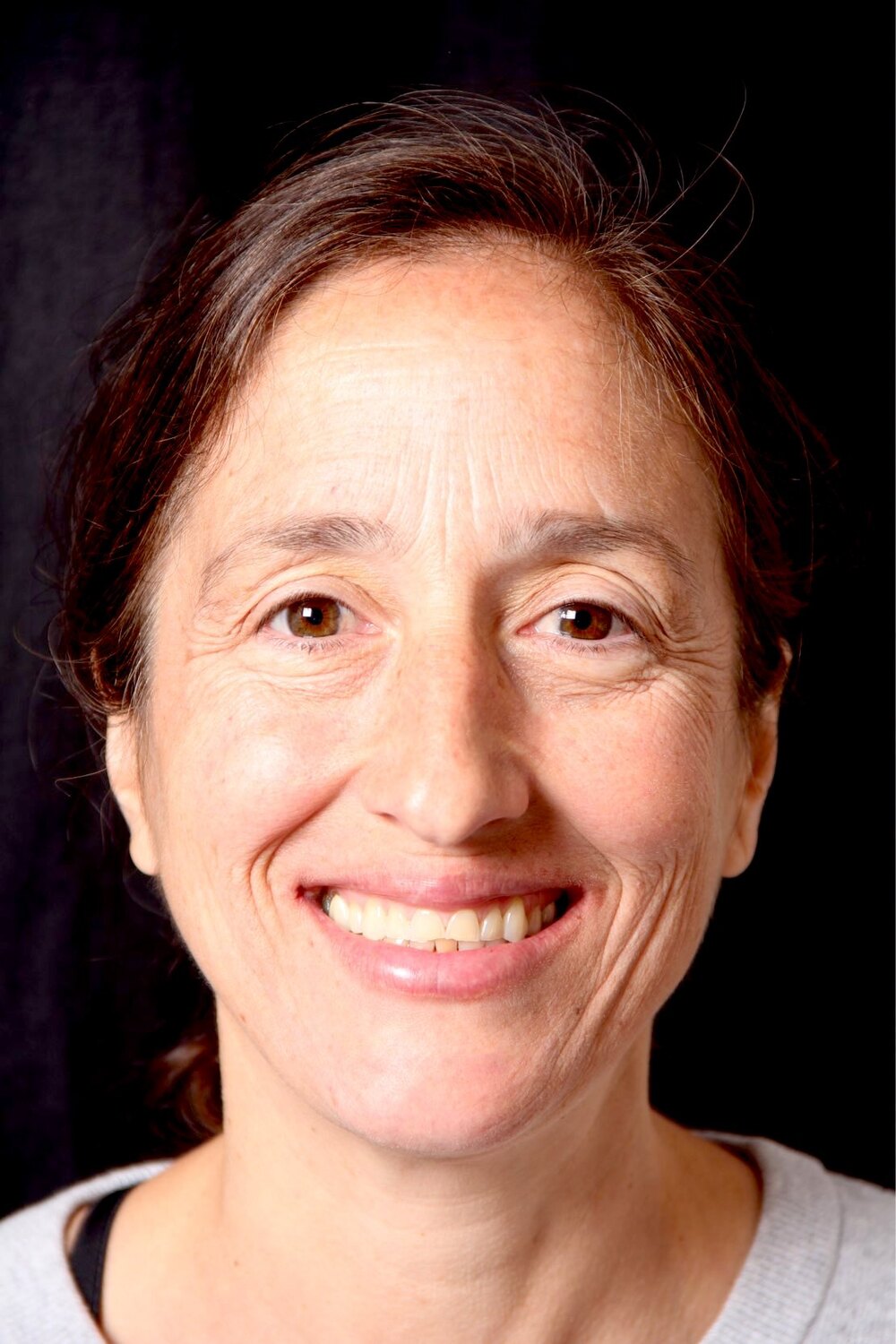
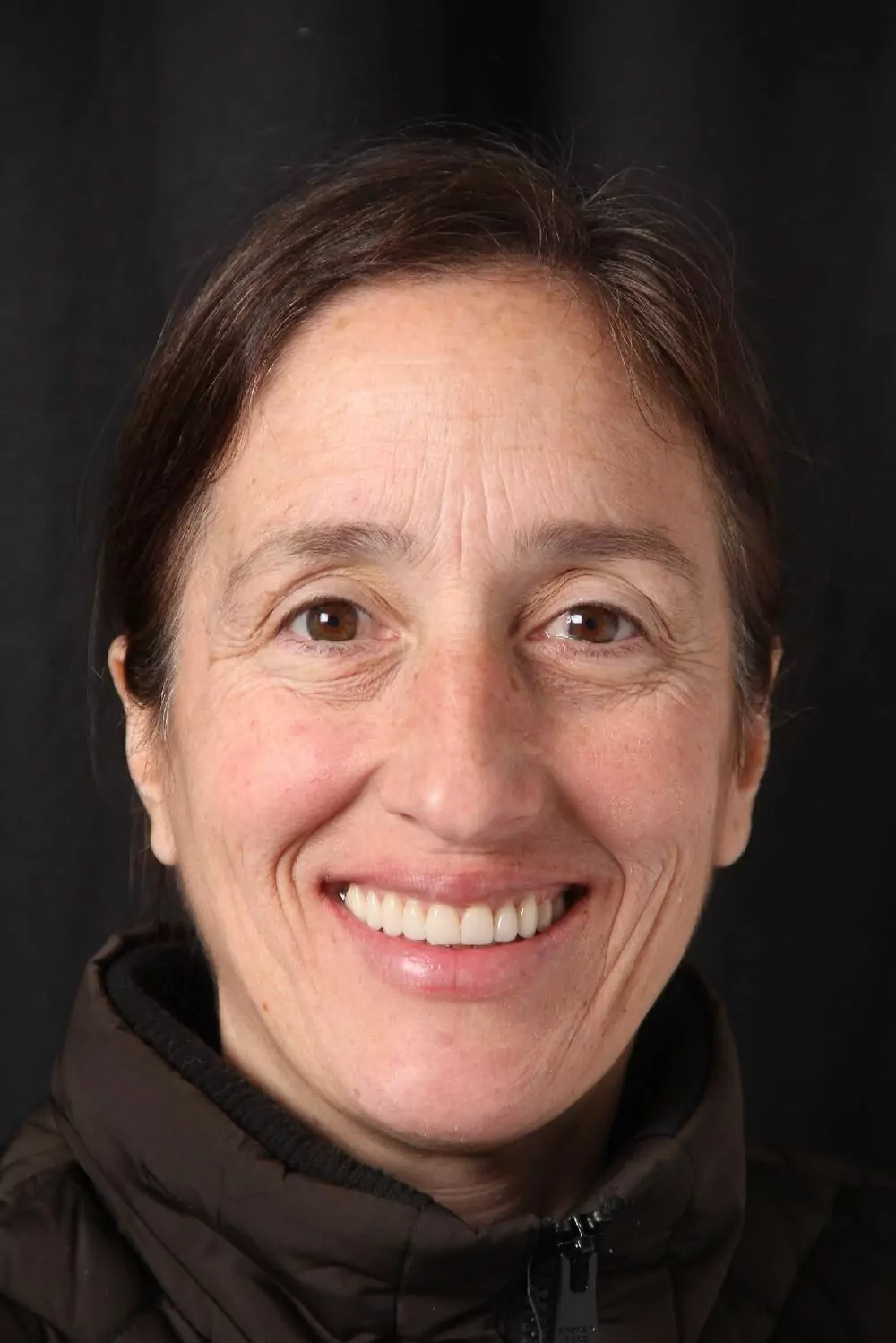
Connie’s recovery from the laser procedure was significantly more comfortable than traditional gum surgery would have been. Less bleeding during the procedure, no stitches required, and a faster healing response meant she moved into the restorative phase of treatment on a faster timeline than a conventional approach would have allowed.
Laser + Operating Microscope
Precision Tools Working Together — For Outcomes Neither Achieves Alone.
The dental laser provides soft-tissue control that conventional instruments cannot match. The operating microscope provides magnification that reveals detail invisible to the naked eye. Used together, they represent a level of clinical precision that raises the standard of soft-tissue procedures significantly beyond what either enables independently.
Dr. Hovden uses operating microscopes throughout his practice — for restorations, root canals, and diagnostic work. When laser soft-tissue procedures are combined with microscope-enhanced visibility, the detail at which the gum margin is shaped, the precision with which healthy tissue boundaries are identified, and the quality of the final aesthetic result are all elevated. This combination is not standard—and it shows in the outcomes.
He regularly completes well over 200 hours of continuing education per year since 2020, including ongoing training in laser applications, and is the founder of the Bay Area Aesthetic Masters study club, which is committed to raising the level of care of local dentists for over 20 years.
Why This Practice for Laser Treatment
Laser Precision Backed by the Highest Cosmetic Credential Available.
Any dentist can use a dental laser. The credential that determines the quality of the aesthetic outcome is the one that governs how the procedure is planned—what gum margin position produces the ideal tooth proportion, how much tissue to remove, and what the smile will look like when the laser work is complete and the restorative phase begins.
Dr. Hovden is an AACD Accredited Fellow—1 of 80 practicing dentists worldwide. He is also a clinical instructor at the Kois Center, where evidence-based treatment planning, including aesthetic planning, is taught at an advanced level. His role as a visiting faculty member at the Spear Institute in Scottsdale means the restorative work that follows laser gum procedures is planned and executed at the same level. Every laser procedure at this practice is planned not just for health—but for the best possible aesthetic outcome of the complete case.
He is a Former UOP Faculty Member for 39 years at Arthur A. Dugoni School of Dentistry and the founder of the Bay Area Aesthetic Masters study club, committed to raising the level of care of local dentists for over 20 years. He also trains other dentists in operating microscope techniques at IDEA—the Interdisciplinary Dental Education Academy.
Laser Dentistry FAQs
Your Questions, Answered Honestly
Something not covered? Call 650-755-6000 or book your consultation.
Gum Treatment and Aesthetics at a Level Very Few Practices Offer
Soft-tissue laser precision combined with AACD Accredited Fellowship planning and operating microscope magnification. Whether your goal is health, aesthetics, or both—a consultation with Dr. Hovden will show you what’s possible.
901 Campus Dr, Suite 202, Daly City, CA 94015 · Mon–Thu 8:00 AM – 5:00 PM · Financing Available