
Restore Your Tooth. Preserve What’s Healthy.
A Damaged Tooth Doesn’t Have to Mean a Damaged Smile
Whether you have a tooth that’s cracked, decayed, worn down, or broken—the goal is always the same: fix what’s damaged while preserving as much healthy tooth structure as possible. This is the cornerstone of Dr. Hovden’s practice philosophy, and it shapes every restoration he recommends.
Most dentists offer one option for a moderately to severely damaged tooth: a full crown. Dr. Hovden offers a better option in many cases—an onlay. An onlay covers only the damaged portion of the tooth, leaving the healthy parts intact. It is a more conservative restoration and, in the right situation, a better long-term outcome for the tooth.
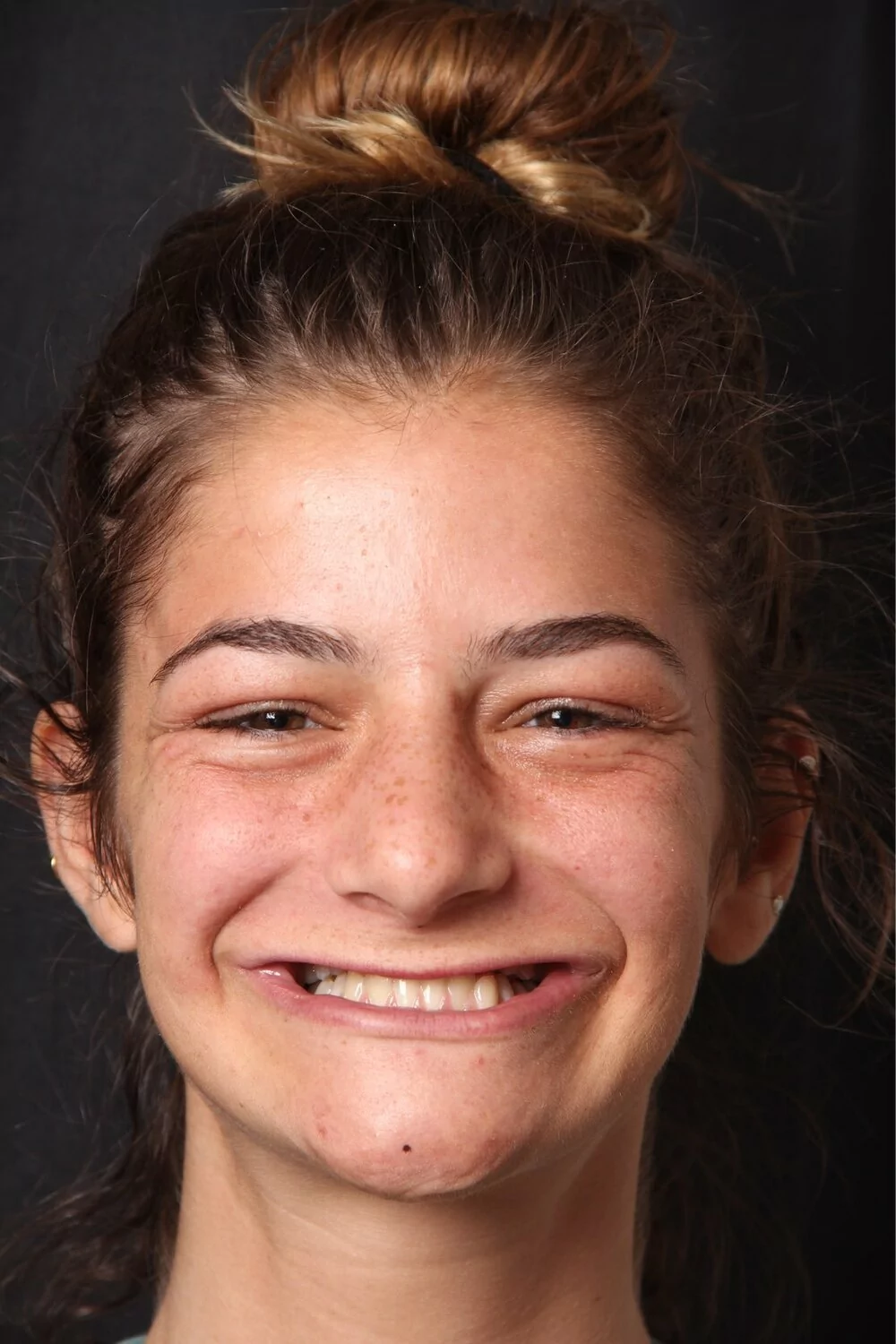

Onlays require significantly more skill and precision to place than a crown. That is exactly why most dentists don’t offer them. Dr. Hovden’s Kois Center training, Spear Institute experience as a visiting faculty member, and use of operating microscopes give him both the expertise and the tools to deliver onlays with exceptional accuracy and longevity.
AACD Accredited Fellow
1 of 80 practicing dentists worldwide.
1 of 2 in the Bay Area
Operating Microscopes
Precision fit.
Longer-lasting restorations
Onlays Available
More conservative than crowns—rarely offered elsewhere
Kois & Spear Faculty
Cosmetic & occlusal precision
Financing available
Call our office to learn more!
Understanding Your Options
Crown vs Onlay: The Choice Most
Dentists Don’t Give You
Both crowns and onlays can restore a severely damaged tooth. But they are not the same. Understanding the difference is essential — because the right choice protects your tooth for decades, and the wrong one removes more healthy structure than necessary.
Recommended when appropriate
Dental Onlay
Also called a “partial crown,” covers only the damaged portion
An onlay is a custom-crafted restoration that covers one or more cusps of a damaged tooth while leaving the remaining healthy tooth structure completely untouched. It is bonded directly to the tooth for a strong, precise fit.
Onlays are better for the long-term health of your tooth. Because less natural structure is removed, the tooth remains stronger. The bond interface is smaller, reducing the risk of decay at the margins over time.
Used when damage is extensive
Dental Crown
Covers the entire visible portion of the tooth above the gum line
A dental crown is a full-coverage cap that replaces the entire visible surface of a tooth. It is necessary when a tooth has extensive damage, fracture lines that threaten the entire structure, or after a root canal procedure.
Crowns are the right choice in genuinely appropriate situations — when the remaining tooth structure is insufficient to support an onlay or when the cusp damage is too widespread. Dr. Hovden will recommend a crown when it is genuinely the best option.
Why Most Dentists Only Offer Crowns
Onlays require significantly more skill, time, and precision than full crowns. The preparation margins must be exact, the fit tolerances are tighter, and the procedure demands advanced training to execute reliably. Most dentists find it simpler and faster to default to a crown — even when an onlay would preserve more healthy tooth and serve the patient better long-term.
Dr. Hovden trained at the Kois Center and Spear Institute — two of the most technically demanding dental institutions in the world — and uses operating microscopes to achieve the precision onlays require. This is the reason he can offer both options and recommend the one that genuinely serves your tooth best.
Dr. Hovden’s Philosophy
Additive Dentistry. Less is More. Always.
Dr. Hovden’s guiding principle is simple: “Do the least amount of dentistry possible to keep you healthy.” When it comes to crowns and onlays, this means recommending the most conservative restoration that genuinely solves the problem — never removing healthy tooth structure that doesn’t need to go.
This philosophy is backed by the most rigorous training available in the field. As a clinical instructor at the Kois Center and a visiting faculty member at the Spear Institute, Dr. Hovden teaches other dentists the advanced restorative techniques he practises every day. His use of operating microscopes—rare among restorative dentists—allows a level of precision in crown and onlay preparation that directly translates into better-fitting, longer-lasting restorations.
The result: restorations that are built to last decades, not just years. Dr. Hovden also only recommends what’s truly best for your tooth, not what’s easiest to perform—offering a level of integrity that patients notice from the very first visit.
Am I a Candidate?
When Does a Tooth Need a
Crown or Onlay?
Not every damaged tooth needs a crown. Not every crown case could be treated with an onlay. Here are the most common situations Dr. Hovden sees, and the general approach for each. Your specific situation will always be assessed in a proper diagnostic consultation.
Large Filling or Decay
When an existing filling has failed or decay has grown beyond what a new filling can reliably restore, a crown or onlay provides structural support that a filling cannot. An onlay is often the right choice here if the remaining cusps are sound.
Cracked or Fractured Tooth
Cracked teeth need to be covered to prevent the fracture from propagating. The extent of the crack determines whether an onlay can protect it or whether a full crown is needed. Early treatment preserves more tooth—don’t wait.
After Root Canal Treatment
Root canal treatment removes the tooth’s internal structure, leaving it brittle and vulnerable to fracture. A crown is almost always required following a root canal on a back tooth to protect what remains and restore full chewing function.
Severely Worn Teeth
Teeth worn down by bruxism (grinding) or acid erosion sometimes lose so much structure that function and aesthetics are both compromised. Crowns can rebuild the height and shape of multiple teeth as part of a comprehensive bite rehabilitation plan.
Dental Bridge Support
Dental bridges use crowns on the adjacent teeth as anchors. If you are replacing a missing tooth with a bridge, the neighbouring teeth will need crowns to support the bridge. Implants are worth discussing as a long-lasting alternative that doesn’t involve crowning healthy adjacent teeth.
Cosmetic Improvement
When a tooth is severely discoloured, misshapen, or has existing metal restorations that affect aesthetics, a porcelain crown can restore both function and appearance. Dr. Hovden will always confirm there is a functional need before recommending a purely cosmetic crown.
What to Expect
Your Crown or Onlay — Step by Step
The process is straightforward and predictable. Most crown and onlay restorations are completed in 2–3 visits. Here is exactly what happens.
Consultation & Diagnosis
Dr. Hovden examines the tooth under the operating microscope, reviews X-rays, and assesses your bite and surrounding structure. He determines whether a crown or onlay is right for your situation—and explains exactly why.
Tooth Preparation
The damaged portion is precisely removed under local anaesthesia. For an onlay, only the affected area is prepared — no healthy structure is touched. For a crown, the entire visible surface is shaped to receive the restoration. Impressions are taken.
Temporary Restoration
A temporary crown or onlay protects the tooth while your permanent restoration is being custom-crafted by the dental laboratory. This typically takes 1–2 weeks.
Final Placement
The permanent restoration is checked for fit, bite, and colour under the microscope before being permanently bonded. Dr. Hovden makes any final adjustments to ensure a perfect result—one that should last for decades.
Patient Results
Precision Restorations. Built to Last.
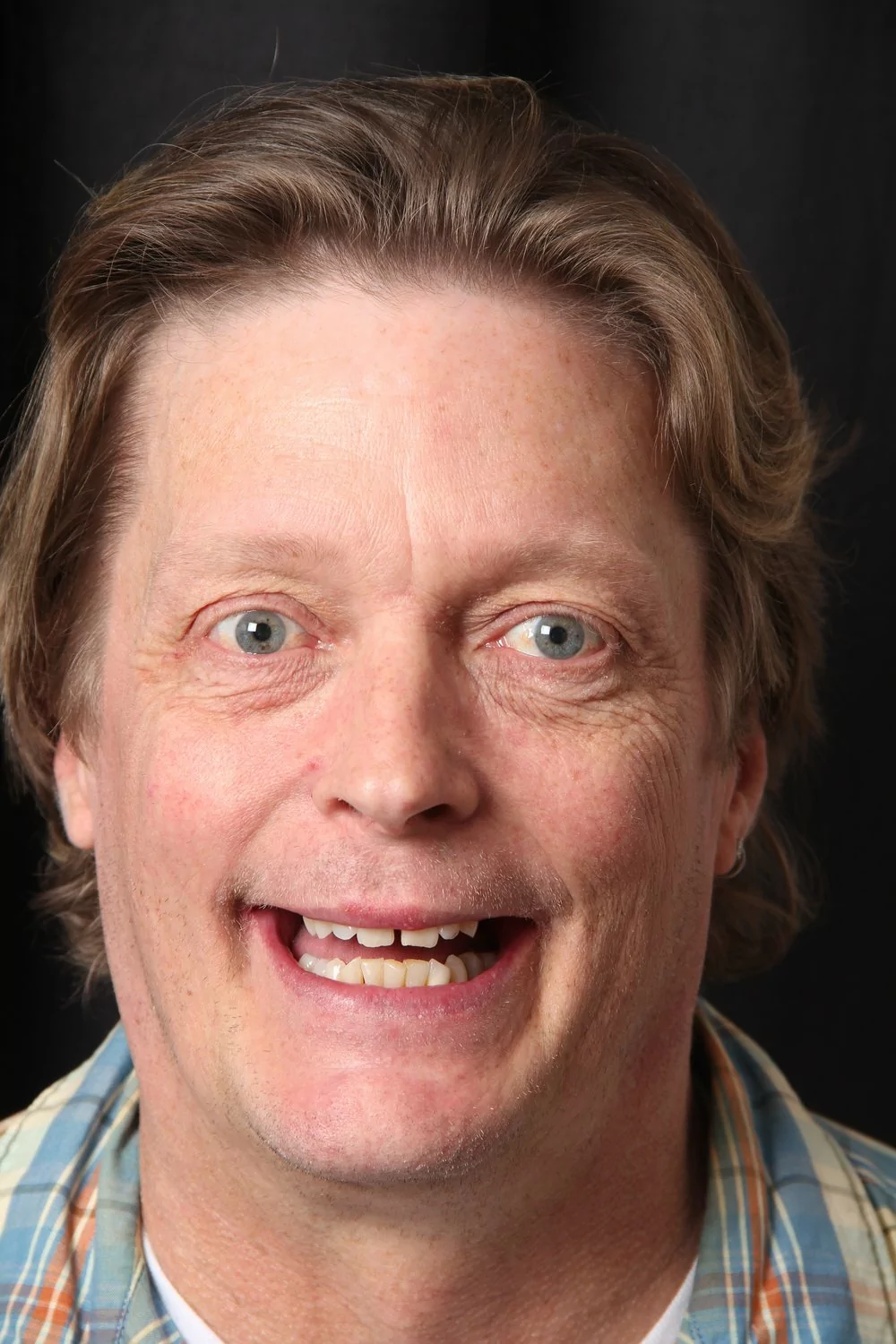
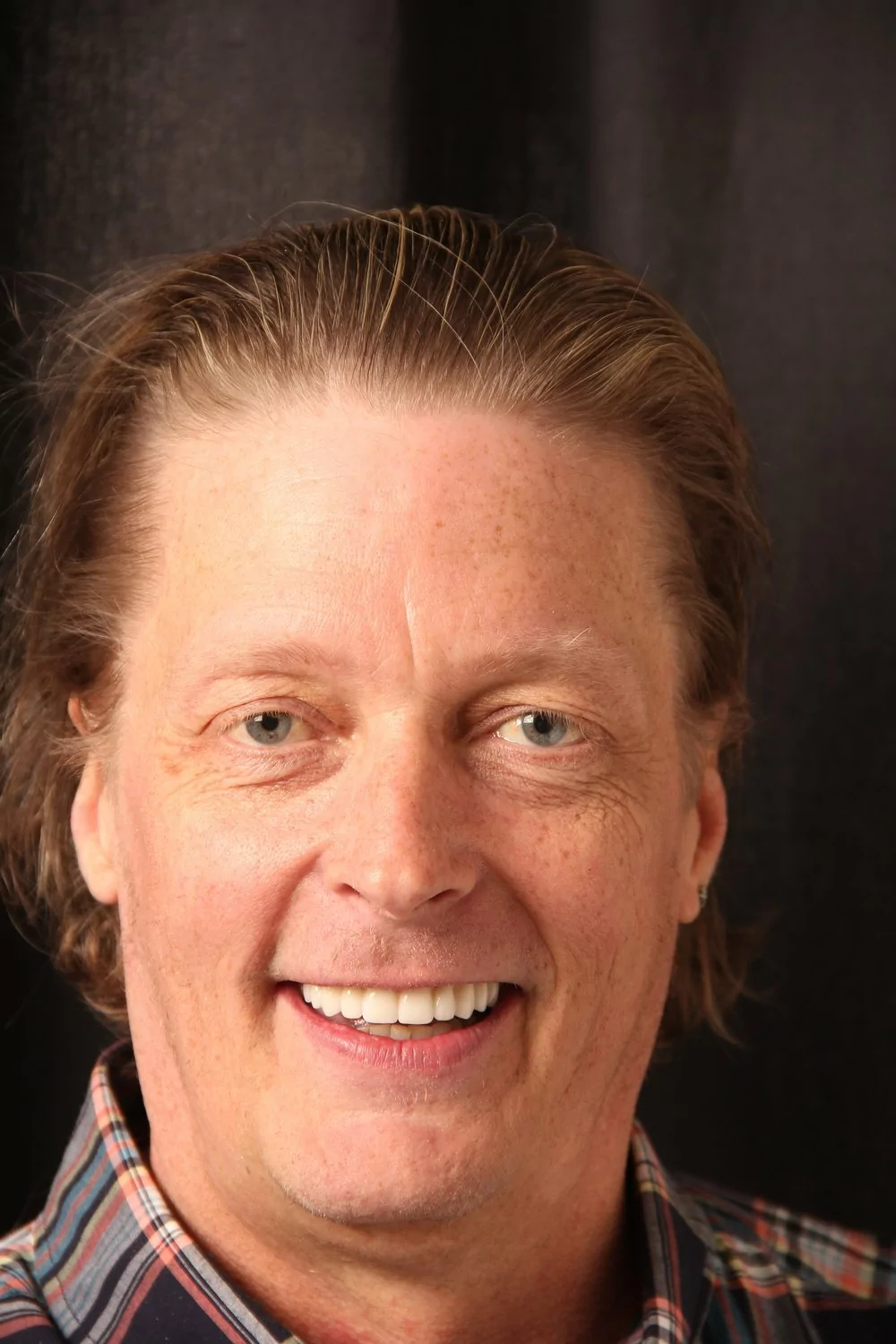
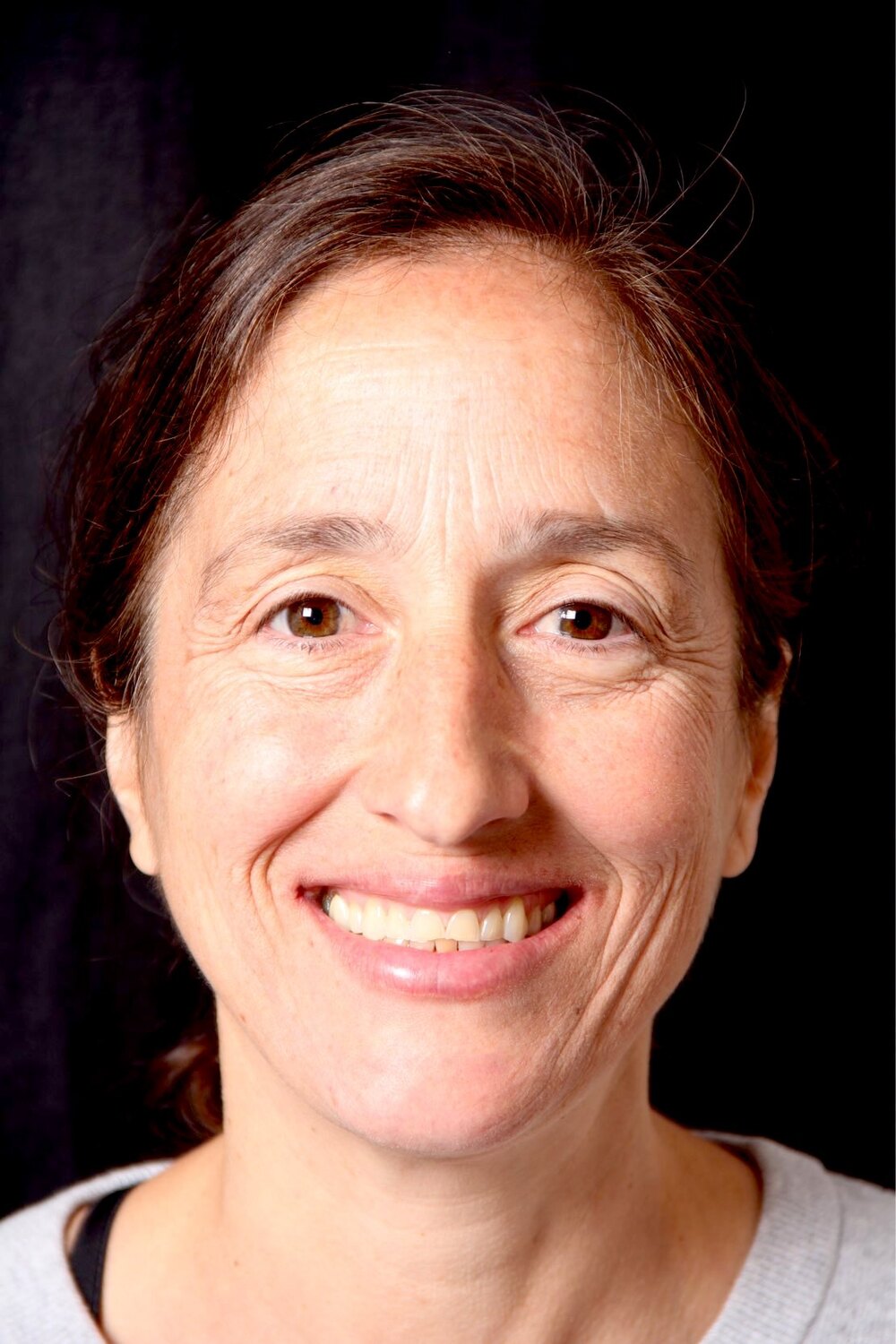
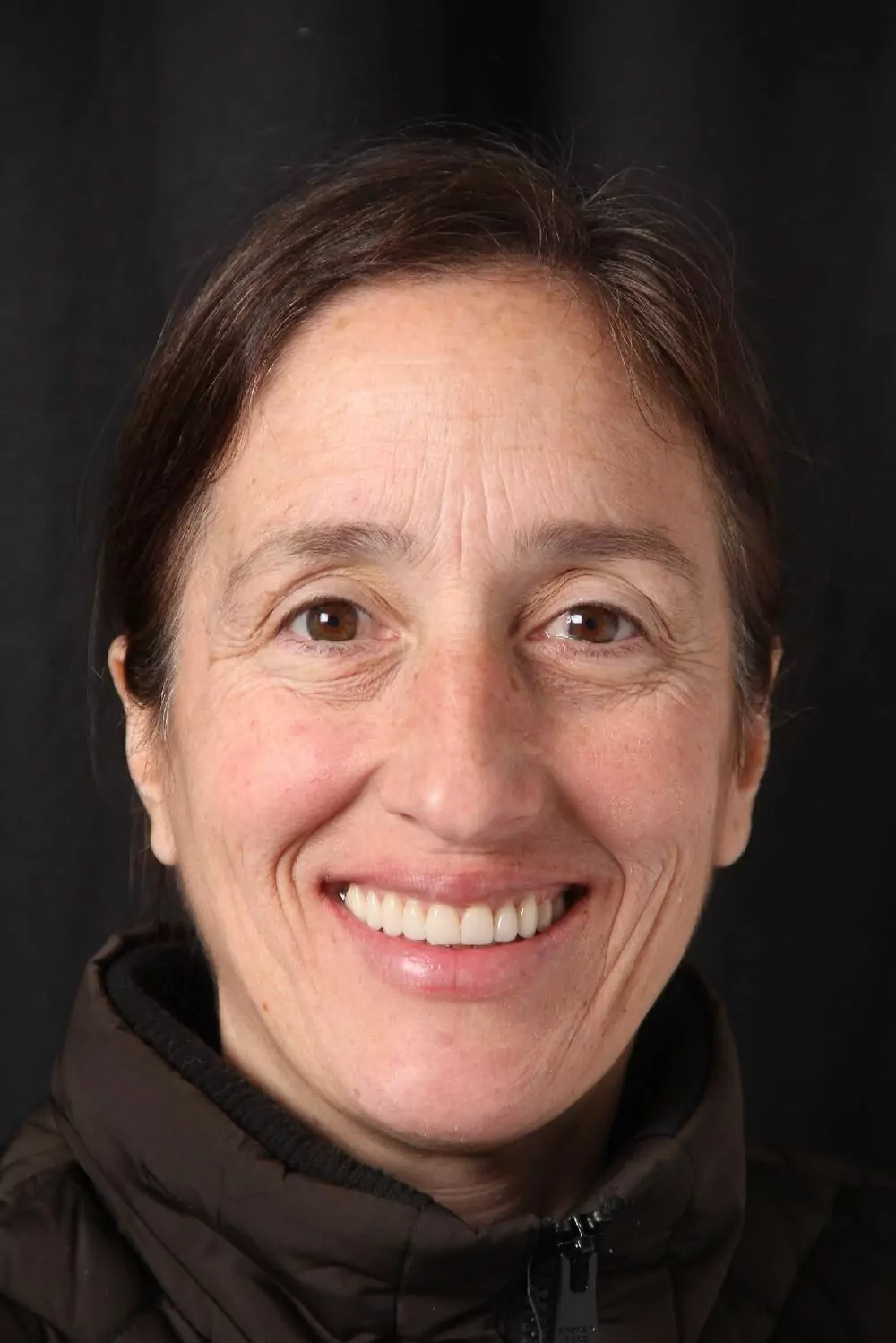
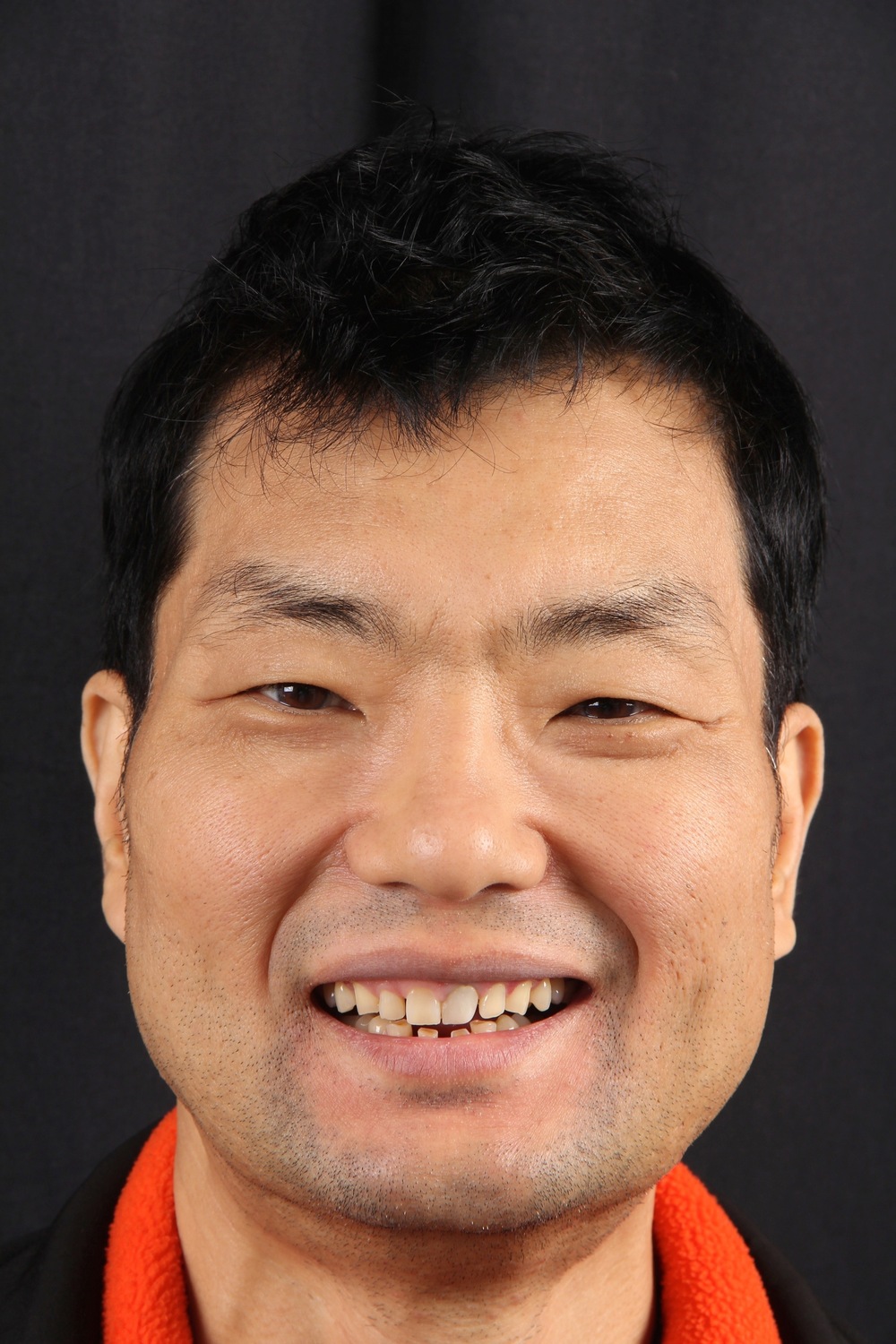
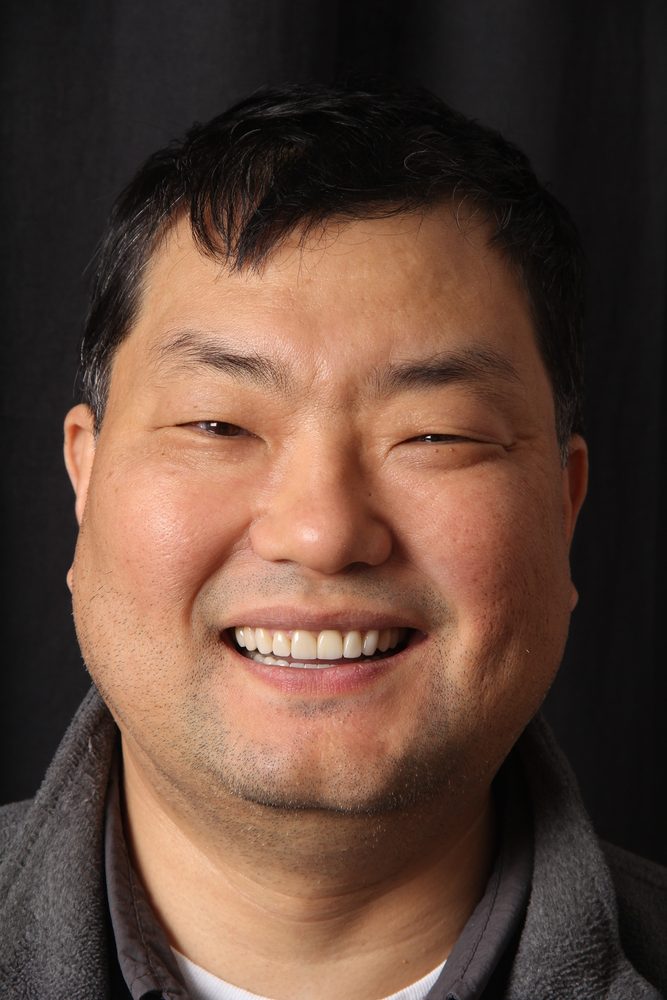
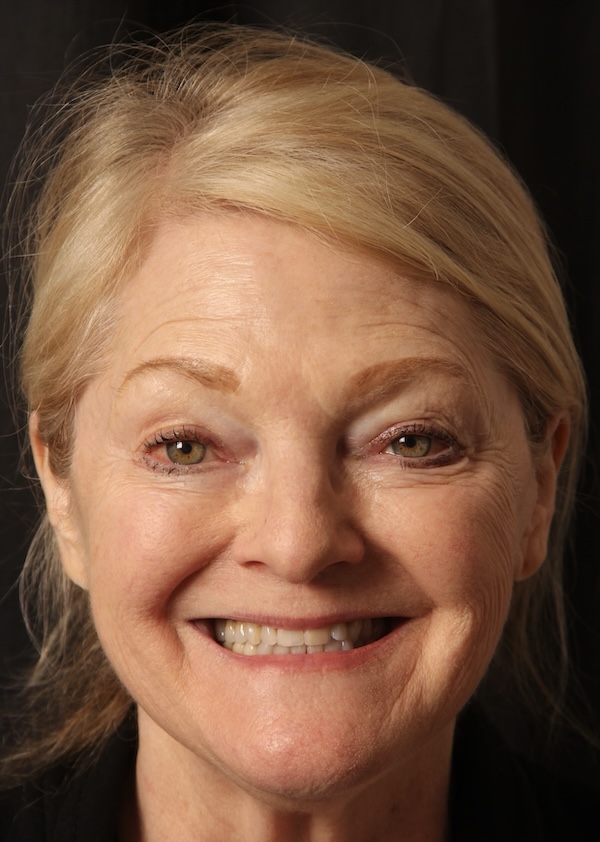
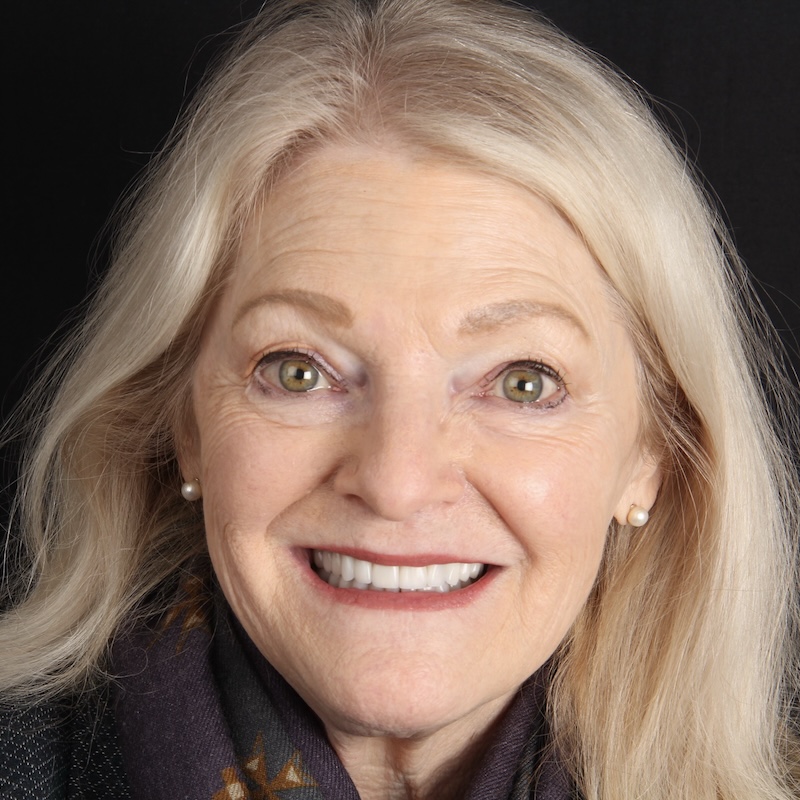
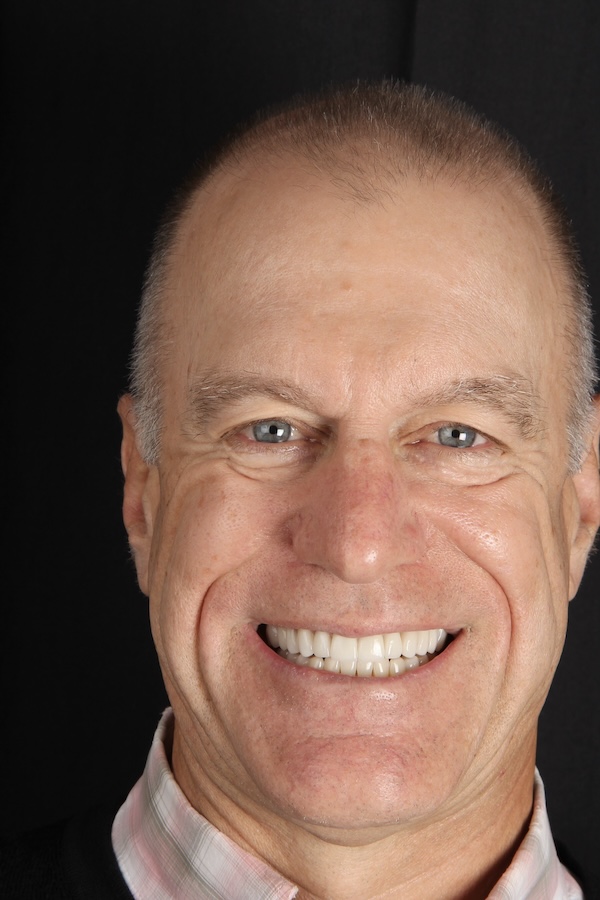
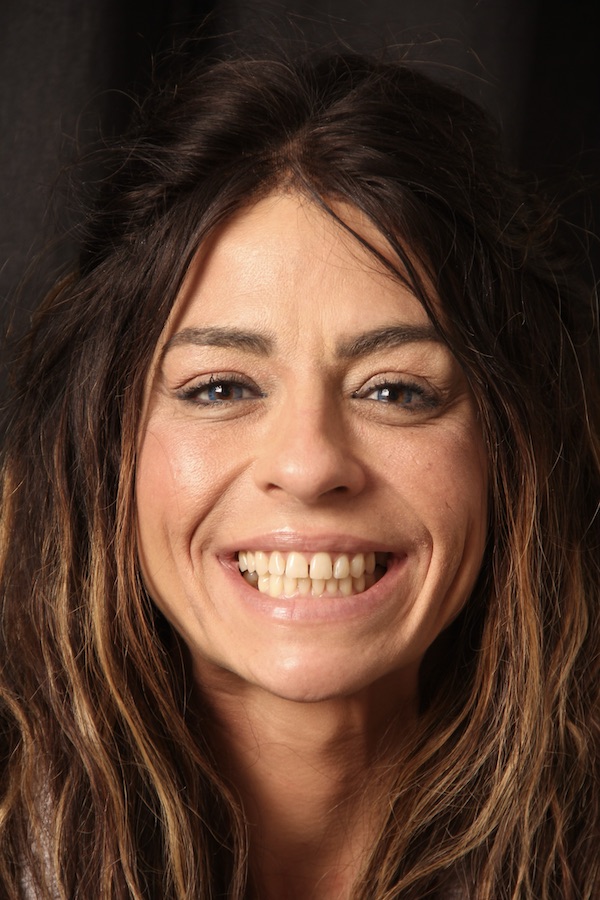
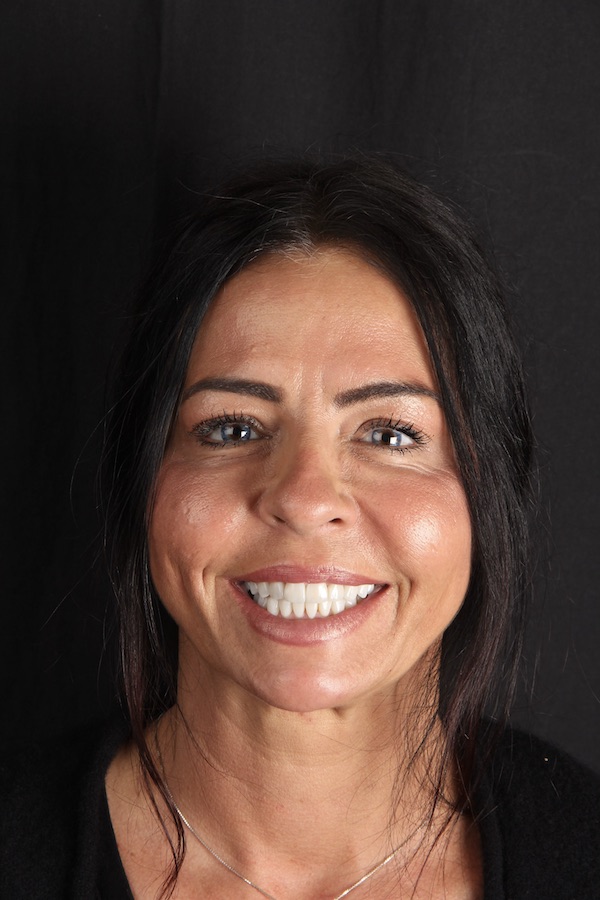
Every crown and onlay Dr. Hovden places is crafted to match your natural teeth in shape, colour, and function—and is precision-fitted under the operating microscope to ensure long-term durability. His work has been recognised with multiple gold medals from the American Academy of Cosmetic Dentistry.
Whether you’re restoring a single back molar with an onlay or replacing a visually prominent tooth with a full porcelain crown, the standard is the same: exceptional fit, natural aesthetics, and results built to last decades.


Patient Reviews
What Patients Say About Dr. Hovden’s Restorations
“I came in expecting to spend $20–30k on veneers. Dr. Hovden talked me out of it. He spent over an hour with me on the first visit — cancer screening, TMJ evaluation, 20+ photos, bite analysis. His philosophy is ‘do the least amount of dentistry possible to keep you healthy.’ He explained the long-term cost of veneers and said he only does them when they are genuinely the right choice. He’s done his parents’ veneers — lasted 20+ years — and has only replaced 2 veneer cases in his entire career. If you want a dentist who will be honest with you even when it costs him money, this is the guy.”
Jay R. — Google Review
“I’ve been going to Dr. Hovden for many years. He does excellent work and his staff is terrific. Everyone in his office goes out of their way to accommodate their patients.”
Brian S.
“For the first time in memory, my teeth aren’t too small for my mouth, and I really like my smile. Dr. Hovden is clearly a consummate professional who enjoys his work.”
Arch W.
“Dr. Hovden is a great dentist. I am a nervous patient and he always makes sure I’m okay. I have never experienced any pain during cleaning or dental work. Highly recommend.”
Lori R.
Common Questions
Dental Crowns & Onlays — FAQs
The questions patients ask most often before their crown or onlay consultation. Still have a question? Call us at 650-755-6000. We are happy to talk.
Your Tooth Deserves More Than a Default Crown. Let’s Find the Right Answer.
Dr. Hovden will examine your tooth, show you exactly what he finds, and recommend the most conservative restoration that genuinely solves the problem. Sometimes that’s a crown. Sometimes it’s an onlay—and most dentists won’t even offer that option.
Serving Daly City, San Francisco, Pacifica, and the greater Bay Area · 901 Campus Dr Ste 202, Daly City, CA 94015