
The Permanent Alternative to Traditional Dentures
Teeth That Function and Feel Like the Real Thing — Because They’re Anchored Like the Real Thing.
Traditional dentures sit on top of your gums. They rely on suction or adhesives. They shift when you eat. They limit what you can chew. They cause ongoing bone loss because there is nothing in the jaw to stimulate bone retention. And they require regular replacement as the jaw changes shape beneath them.
Implant-supported dentures work differently. The implants are titanium posts placed directly into the jawbone—just like the roots of natural teeth. The bone grows around them in a process called osseointegration, creating a permanent, stable anchor. The denture prosthesis attached to those implants does not slip, does not require adhesive, does not restrict your diet, and preserves the jawbone that traditional dentures erode.
For patients who have spent years managing the compromises of traditional dentures, the experience of implant-supported teeth is often described as genuinely transformative.
Maria T., a patient of Dr. Hovden’s who had worn dentures since age 28, said after her implant-supported denture treatment: “For the first time in all of those years, I feel like my teeth are natural.”
Implant-Supported Dentures
At a glance — what to know before your consultation
Who Treats
Dr. Hovden handles most implant placements and final restorations in the same office — no need to coordinate multiple providers
Options
All-on-4, Full Arch Fixed (6–8 implants), Implant Overdenture — selected based on your bone, bite, and goals
Temp Teeth
In most cosmetic cases, temporary teeth are attached the same day or next day — you leave with a smile
Longevity
Veneer cases ever redone
in his entire career — a testament to lasting precision
Oral Hygiene
A few more steps than natural teeth — straightforward and manageable with proper instruction
Investment
$25,000–$50,000+ per arch. Financing available. A consultation determines what is right for your situation
Most Placements In-House
Placement & restoration in the same Daly City office
AACD Accredited Fellow
1 of 80 worldwide—Kois & Spear occlusal expertise
Operating Microscopes
Precision placement & restoration—exceptional fit
Temporary Teeth Day of Surgery
You leave with a smile the same day or next day
Financing Available
Flexible payment options to fit your budget
Side by Side
Implant-Supported Dentures vs Traditional Dentures
The difference is not just comfort—it is function, health, confidence, and long-term cost of ownership.
|
Implant-Supported Dentures |
Traditional Dentures |
|
|---|---|---|
|
Stability |
Rests on gums—slips during eating and speaking |
|
|
Adhesives |
Requires adhesive or suction to stay in place |
|
|
Bone Loss |
Causes ongoing bone loss as jaw resorbs without stimulation |
|
|
Diet |
Soft foods only—hard or sticky foods off limits |
|
|
Appearance |
Can look artificial—may shift visibly |
|
|
Speech |
Clicking or slipping can affect speech and confidence |
|
|
Longevity |
Requires replacement every 5–8 years as jaw changes |
|
|
Oral Hygiene |
A few more steps than natural teeth—manageable |
Removable—cleaned outside the mouth |
|
Long-Term Cost |
Lower upfront—repeated replacement costs accumulate |
Implant-Supported Dentures
Traditional Dentures
Which Option Is Right for You?
Three Types of Implant-Supported Dentures: One Right for Your Situation
The right implant-supported denture depends on your available bone, your bite requirements, your budget, and your personal goals. Dr. Hovden will assess all of these at your consultation and explain every option clearly.
All-on-4
Full arch on 4 strategically placed implants
The All-on-4® treatment concept uses exactly 4 implants per arch: two placed vertically at the front and two angled at the back to maximise contact with available bone. This angled placement often eliminates the need for bone grafting, even in patients with significant bone loss. A full fixed prosthesis is supported by the 4 implants, delivering a stable, permanent result with a streamlined surgical approach. Temporary teeth are typically attached on the same day or the next day after surgery.
Most accessible for bone loss patients
Full-Arch Fixed Implants
6–8 implants per arch for maximum stability
Full-arch fixed implant dentures use 6–8 implants per arch. This provides maximum stability, maximum bite force, and the closest experience to natural teeth of any implant-supported option. The prosthesis is permanently fixed and cannot be removed by the patient. This is the gold-standard option for patients with sufficient bone and who want the most natural-feeling, highest-performance result. Dr. Hovden’s Kois Center occlusal training is specifically applied to ensure the bite is planned correctly across the full arch.
Gold standard—most natural feel
Implant Overdenture
Removable prosthesis anchored by implants
An implant overdenture uses 2–4 implants per arch to anchor a removable prosthesis. Unlike a traditional denture, which relies on suction and adhesive, an overdenture clips or snaps securely onto the implants—eliminating slipping and dramatically improving stability, confidence, and chewing ability. The prosthesis can be removed by the patient for cleaning. This is a more accessible option for patients with a limited budget or bone loss who want a significant upgrade over traditional dentures without the commitment of a fully fixed prosthesis.
More accessible and a significant upgrade over traditional dentures
Why Patients Choose Implant-Supported Dentures
What Changes When Your Teeth Are Anchored to Stay
The benefits extend far beyond stability. Implant-supported dentures change how you eat, how you speak, how you smile, how you feel about social situations—and how your jawbone ages.
No More Slipping
The moment implants are placed and osseointegration begins, the foundation is permanent. No adhesive, no suction, no anxiety about teeth moving while you speak at a meeting or laugh at a dinner table.
Eat Anything You Want
Steak, apples, corn on the cob—all the foods traditional dentures put off limits. Implant-supported dentures restore near-natural chewing force, letting you eat a normal diet without restriction or concern.
Bone Preservation
Every traditional denture patient experiences jaw bone loss over time—the jaw resorbs because there is no root to stimulate it. Implants replicate the function of tooth roots, preserving bone and maintaining facial structure for decades.
Natural Appearance
Implant-supported prostheses are designed to look like natural teeth: proportioned to your face, shaped for your smile, and stable enough that no one can tell they are not your original teeth.
Speak With Confidence
Traditional dentures can slip mid-sentence, causing clicking sounds or slurred speech. Implant-supported dentures are fixed in place, so your speech is immediately more natural and confident.
Better Long-Term Investment
Traditional dentures require replacement every 5–8 years as the jaw changes. Implant-supported prostheses last up to 20 years. The higher initial investment typically compares favourably over the long term.
Dr. Hovden’s Approach to Implant-Supported Dentures
Most Placements Handled In-House. All Cases Planned With Precision.
Dr. Hovden handles most implant placements and the final restorations in the same Daly City office, which means you do not need to coordinate your care between a surgeon and a restoring dentist. From the initial imaging and planning through to the final prosthesis, the continuity of care is complete.
When a case requires specialist surgical expertise, like with complex full-arch cases, patients with significant anatomical challenges, or cases requiring sinus lifts, Dr. Hovden refers to trusted specialist surgeons. In those cases, his involvement does not stop at the referral.
Dr. Hovden on Referred Cases
“When I refer to surgeons I participate in the planning and on large cases am present during surgery at the specialist’s office to help create the best outcomes possible. Modern digital planning tools are utilized and implants are placed with guided surgery to ensure the most accurate placement, based on our initial planning.”
This continuity from initial planning through surgical involvement through final restoration is what separates the approach at this practice from a simple referral. The restoring dentist’s expertise informs the surgical plan, not the other way around. That is the right order of operations for an implant-supported denture that fits, functions, and endures correctly.
Your Treatment from Consultation to Final Smile
What to Expect—Step by Step
No unknown steps. No surprises. A clear path from where you are now to a stable, confident smile.
Consultation & Imaging
Dr. Hovden reviews your dental and medical history, takes 3D CBCT imaging to assess bone volume and anatomy, and evaluates your bite. This appointment determines which implant-supported option is appropriate for your situation and produces an initial treatment plan with realistic expectations and investment range.
Treatment Planning & Digital Design
Using digital planning tools, Dr. Hovden maps the precise position of each implant based on available bone, ideal prosthetic outcomes, and occlusal requirements. Where specialist surgeons are involved, this planning is shared and refined collaboratively. The surgical guide for guided implant placement is produced from this plan.
Implant Surgery
Implants are placed surgically using a guided surgical template based on the digital plan for the most accurate placement possible. For cases where Dr. Hovden refers to a specialist surgeon, he participates in planning and, on larger cases, is present during surgery to ensure optimal outcomes aligned with the final restoration goals.
Temporary Teeth—Same Day or Next Day
In most cosmetic implant cases, temporary teeth are attached the same day or next day following surgery—so you leave the practice with a smile. You are never without teeth. The temporary prosthesis is worn during the osseointegration healing period, which typically takes 3 to 6 months.
Osseointegration Healing
Over the following 3 to 6 months, the titanium implants integrate with the jawbone through osseointegration—the same biological process that anchors natural tooth roots. During this period you wear your temporary prosthesis and attend regular monitoring appointments to confirm integration is progressing well.
Final Prosthesis—Your Permanent Smile
Once osseointegration is confirmed, your final implant-supported denture is fabricated and fitted under the operating microscope. Bite is meticulously verified and adjusted as needed. The materials, design, and aesthetics are selected based on your specific plan— balancing longevity, appearance, and maintenance requirements for your situation.
Oral hygiene with implant-supported dentures requires a few more steps than natural teeth, including specific cleaning around abutments and under the prosthesis. Dr. Hovden’s team will provide thorough instruction and support for maintaining your result long-term.
What to Expect Long-Term
Implants and their Restorations can last up to 20 years
Implants don’t necessarily last forever, but with proper care and regular dental visits, they can last many years. The denture prosthesis attached to the implants typically lasts up to 20 years, depending on the design chosen, the materials selected, and how well it is maintained. Some materials require a shorter maintenance period than others.
This is an important distinction. Dr. Hovden will discuss the specific longevity expectations for the prosthesis design he recommends for your case. Different materials and designs have genuinely different maintenance profiles, so there is no single answer that applies to every patient.
What is universally true: implant-supported dentures last significantly longer than traditional dentures, require fewer replacements over the years, and—critically—preserve the jawbone that traditional dentures slowly erode. The long-term quality of life and the long-term investment compare very favorably once both are considered over time.
Patient Story
“For the First Time in All of Those Years, I Feel Like My Teeth Are Natural.”
“I am 62 years old and I have worn dentures since I was 28. For the first time in all of those years, I feel like my teeth are natural. I am so grateful to Dr. Hovden for this miraculous change in my life.”
Maria T. — Implant-Supported Dentures Patient
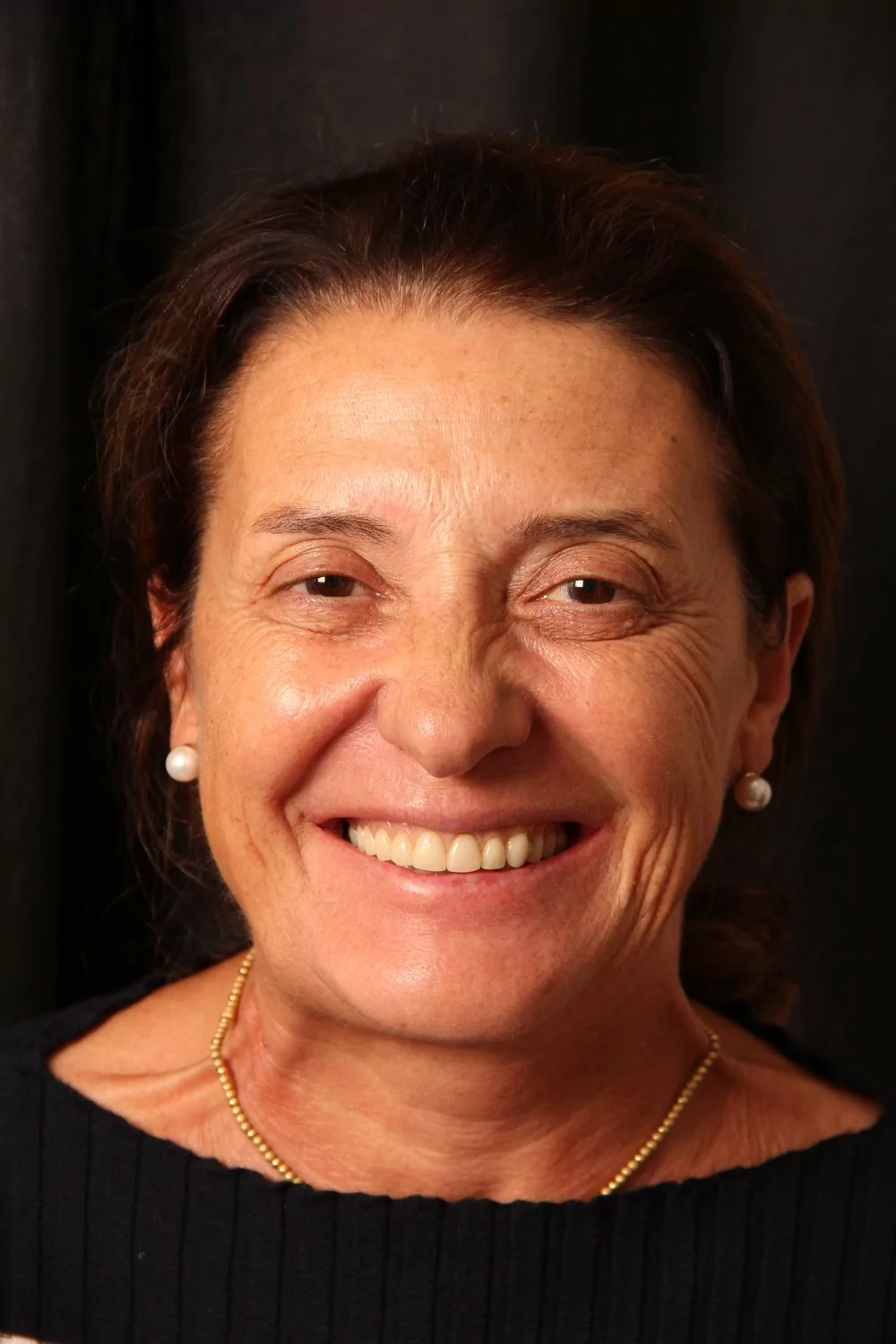
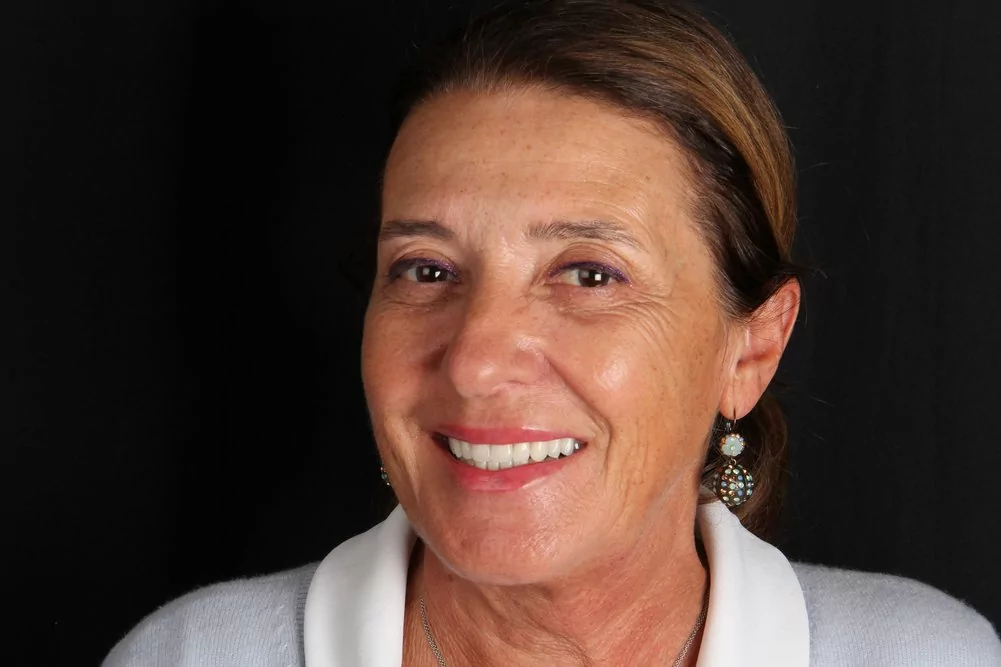
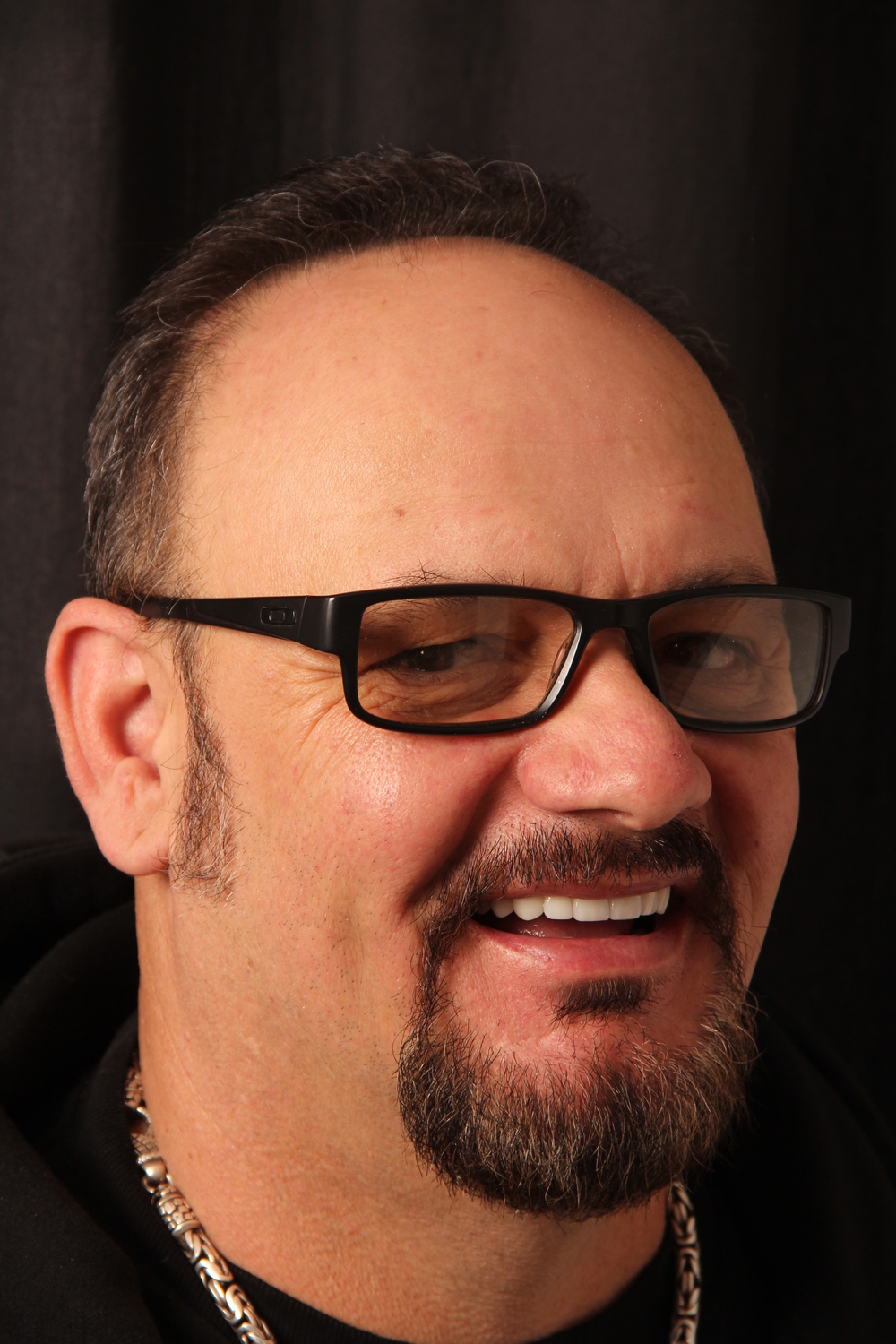
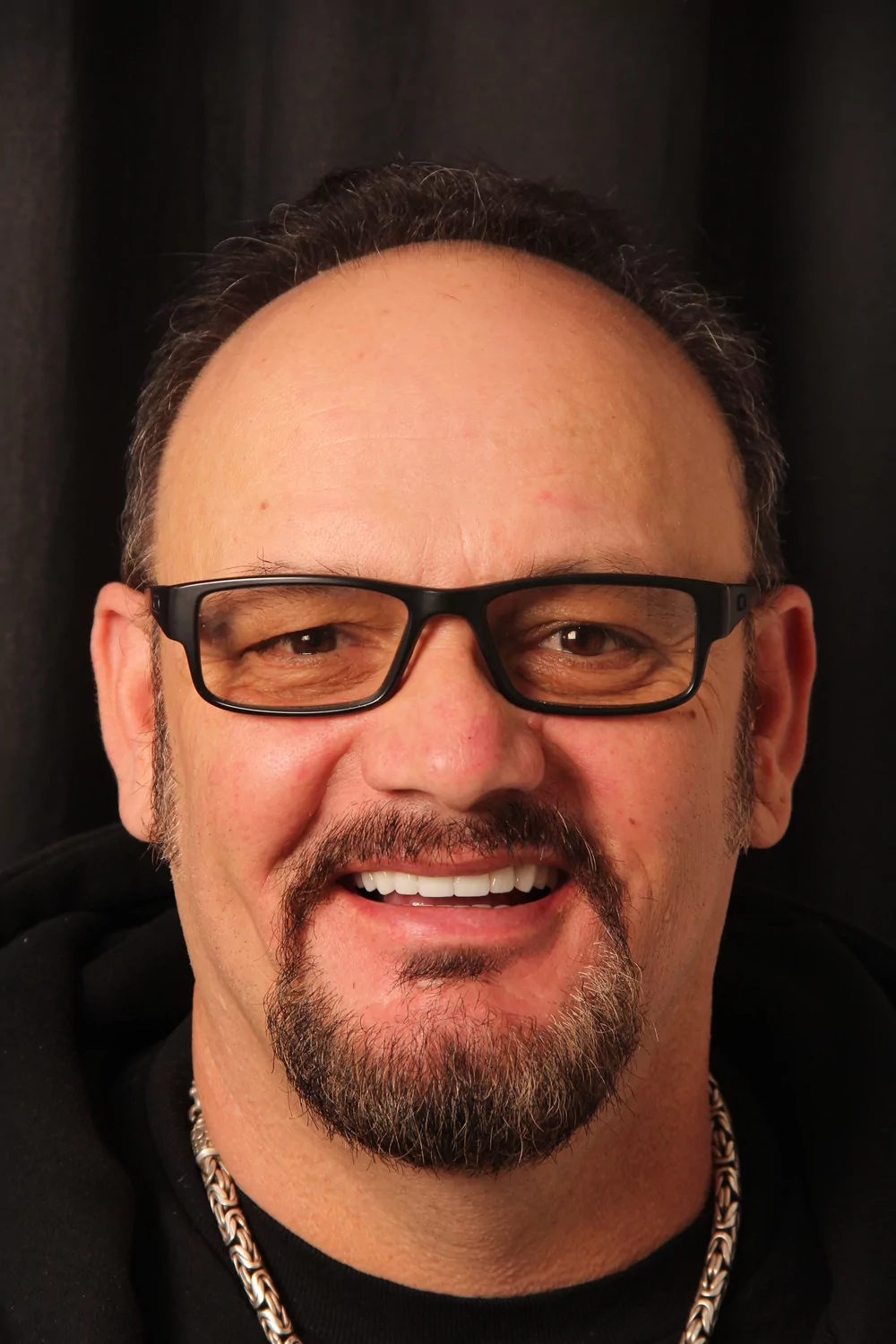
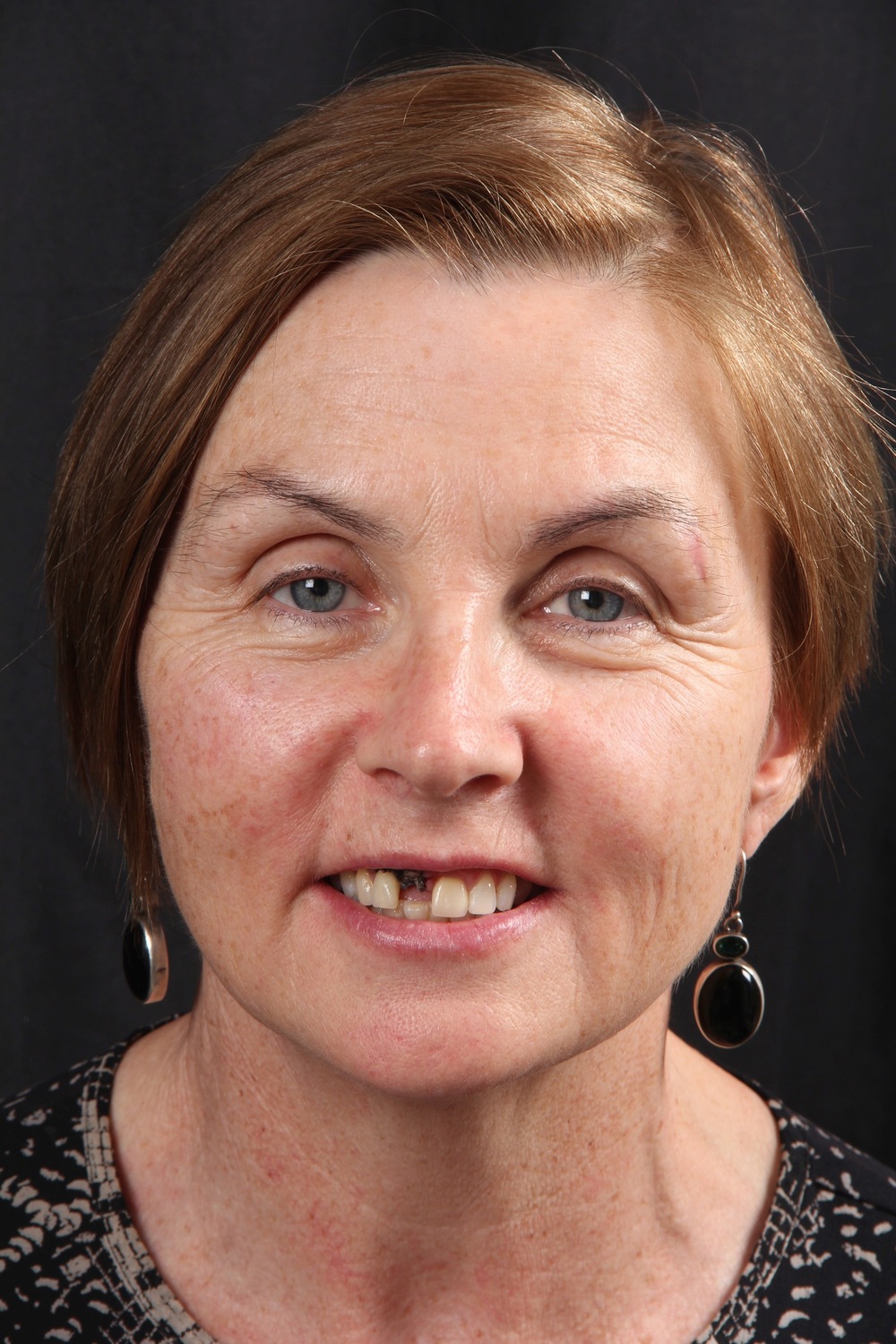
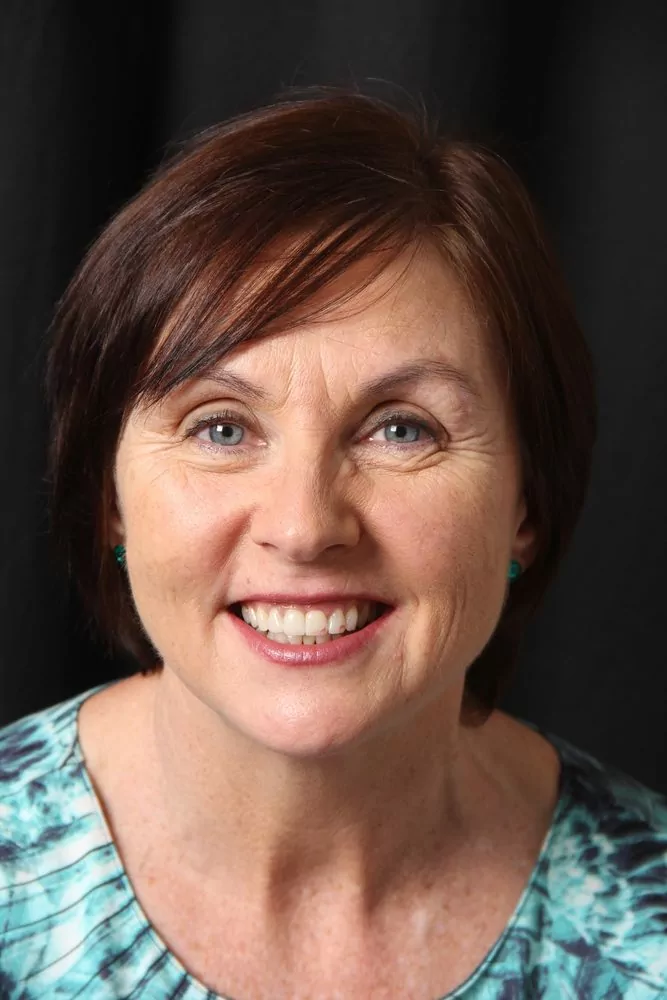
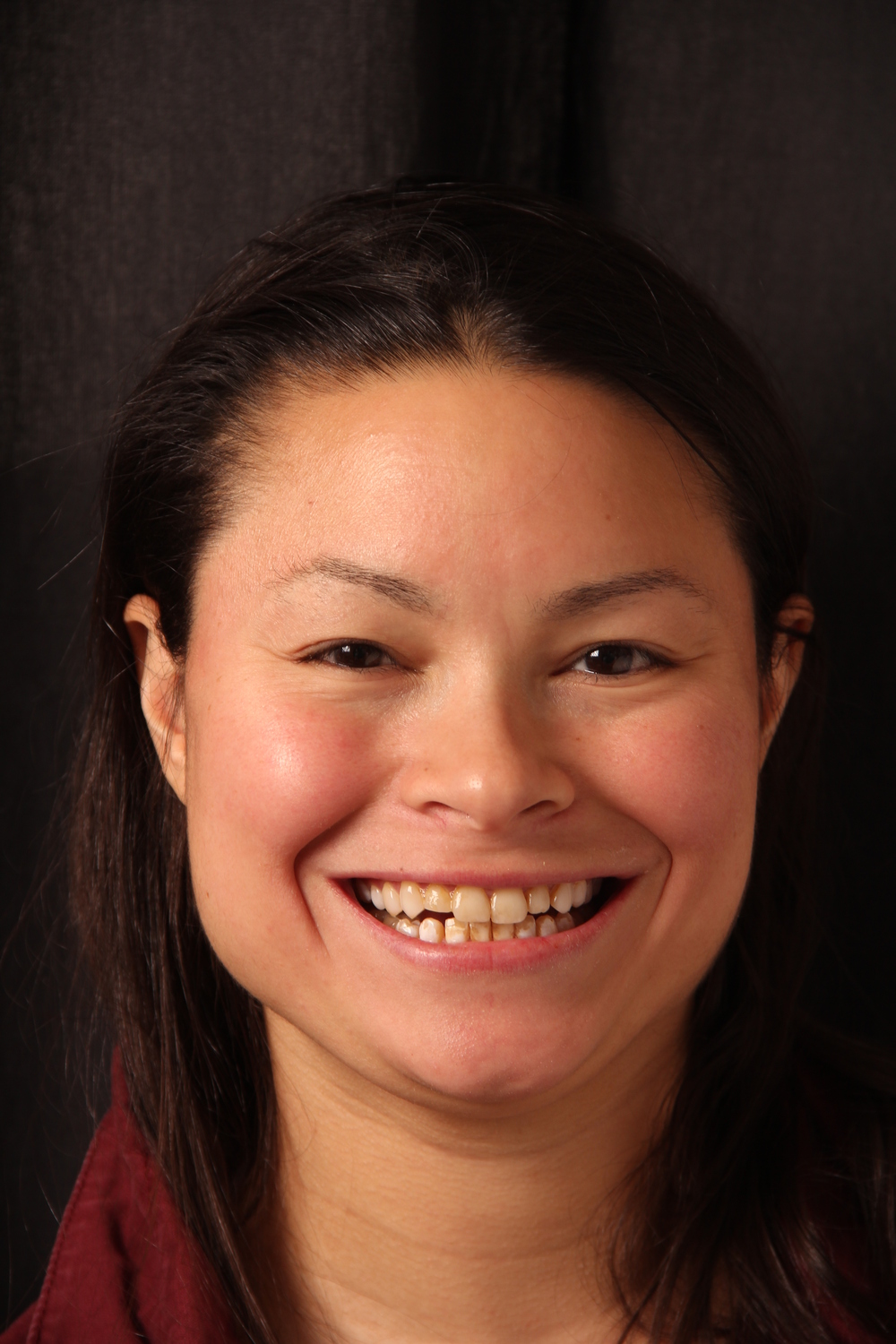
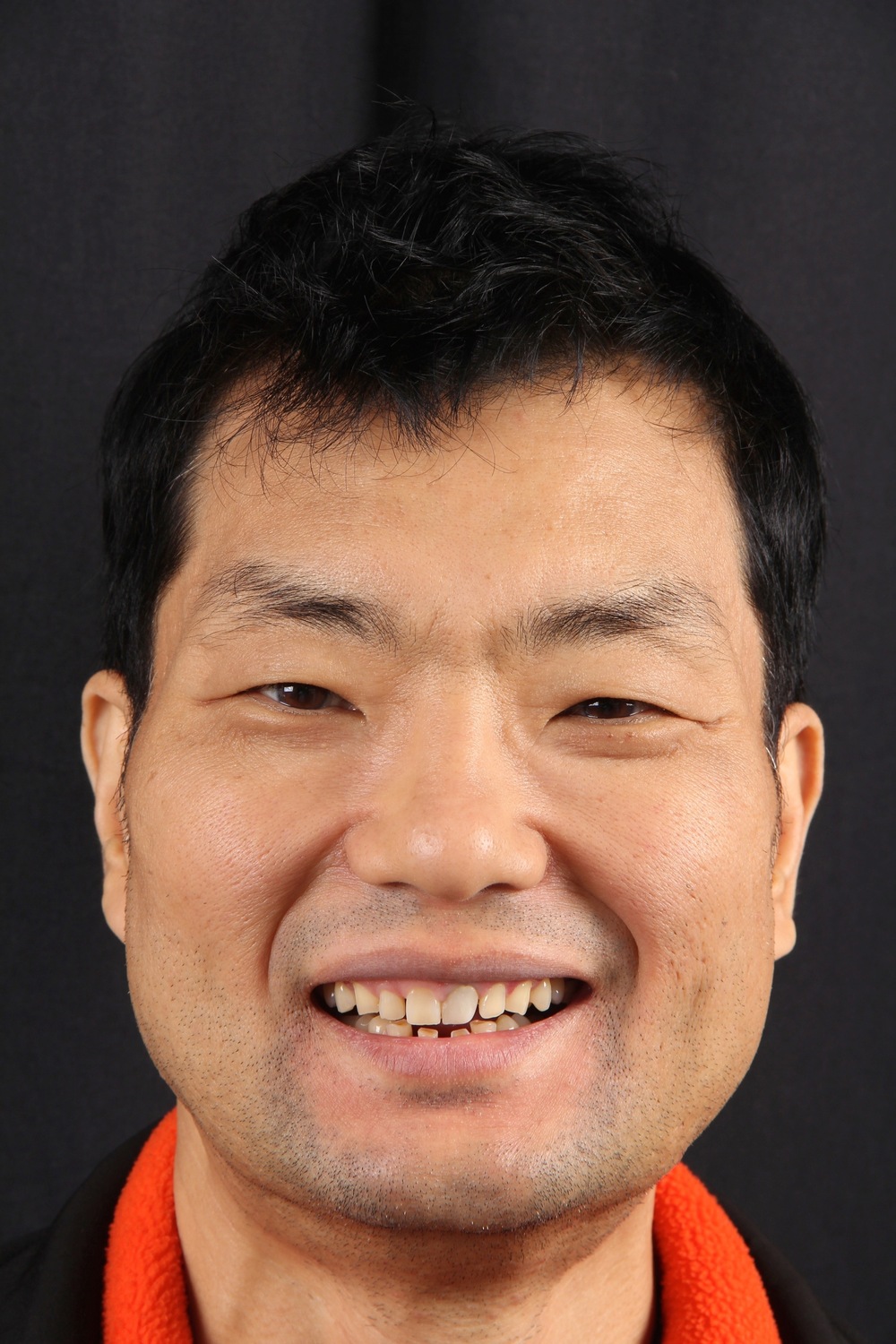
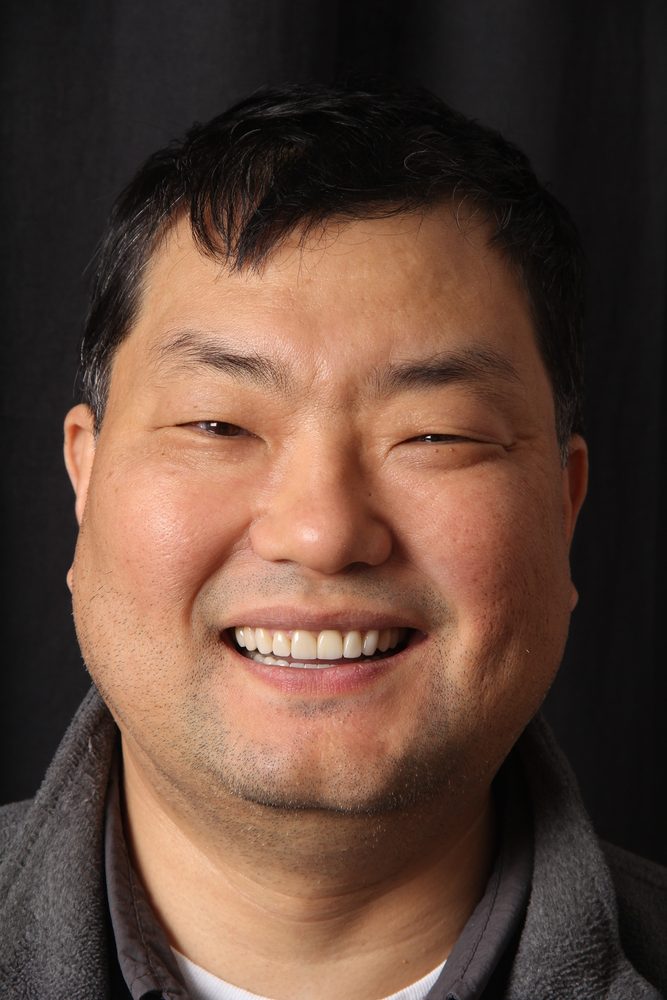
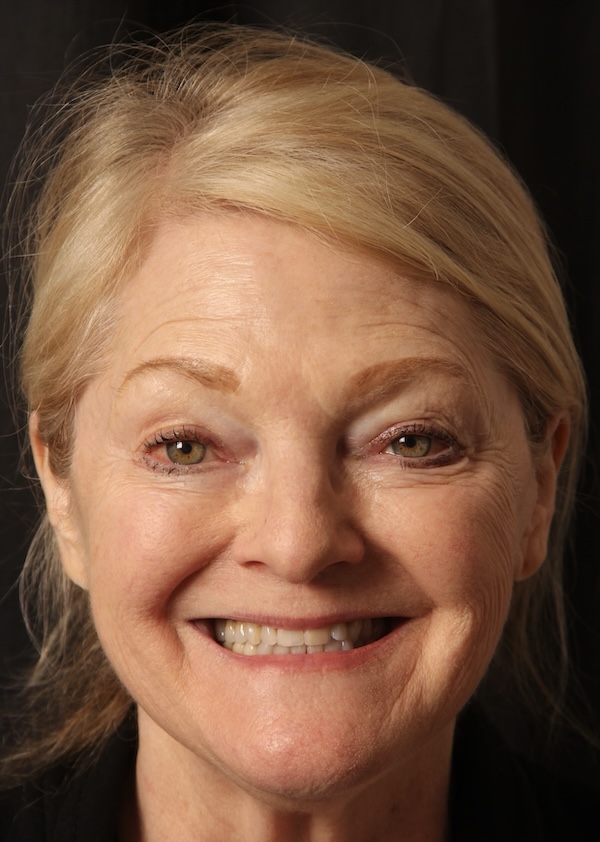
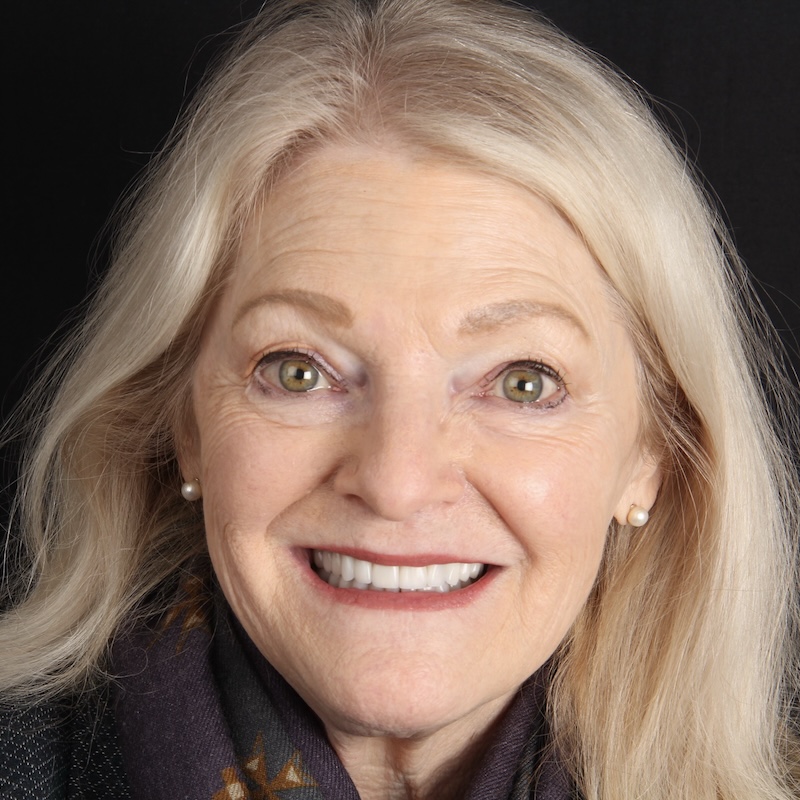
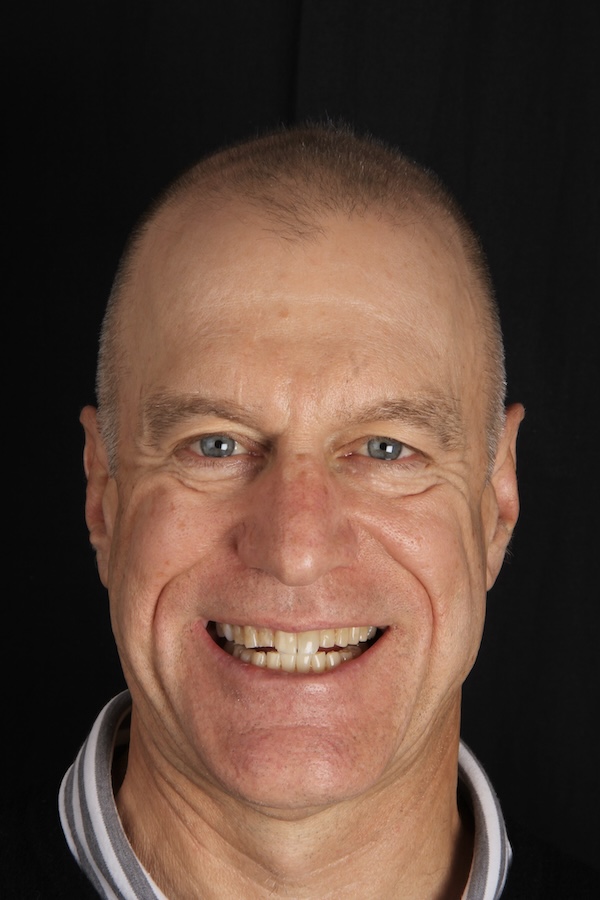
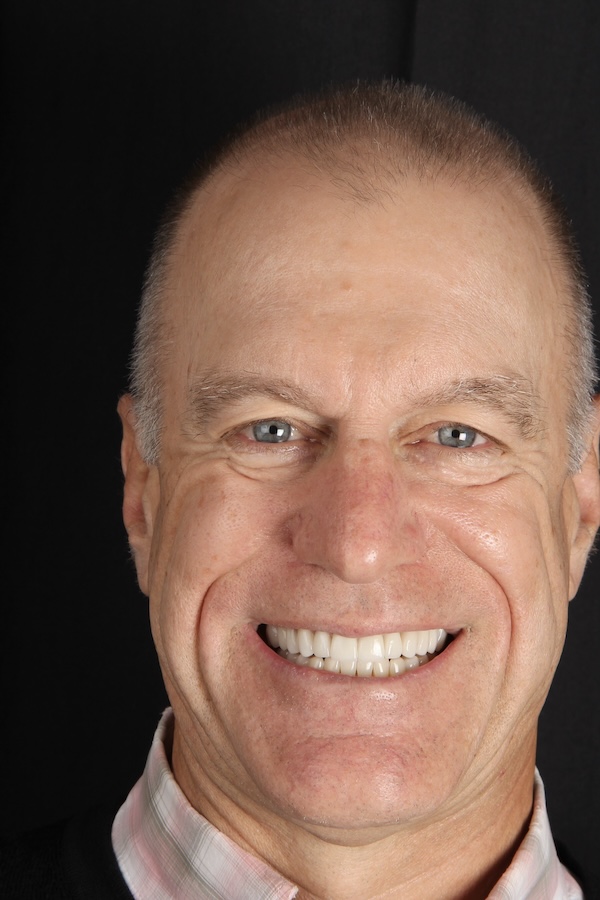
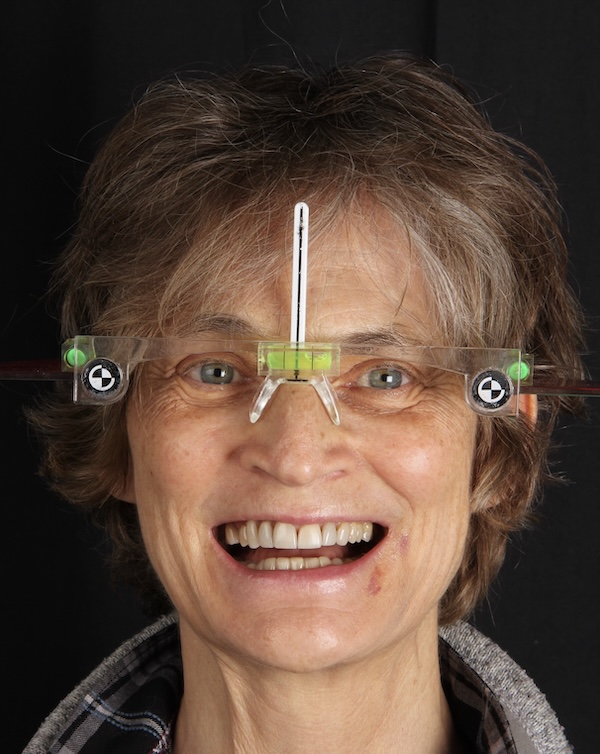
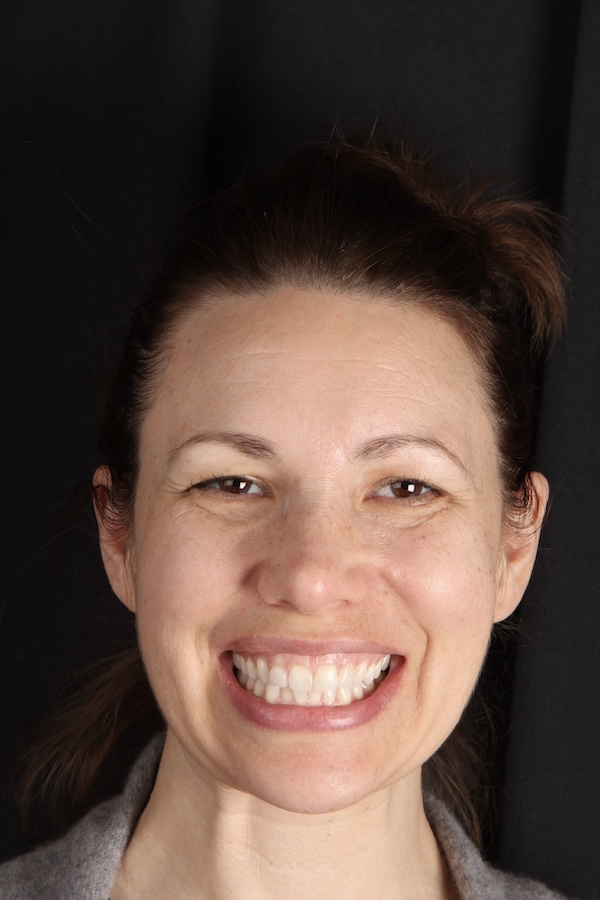
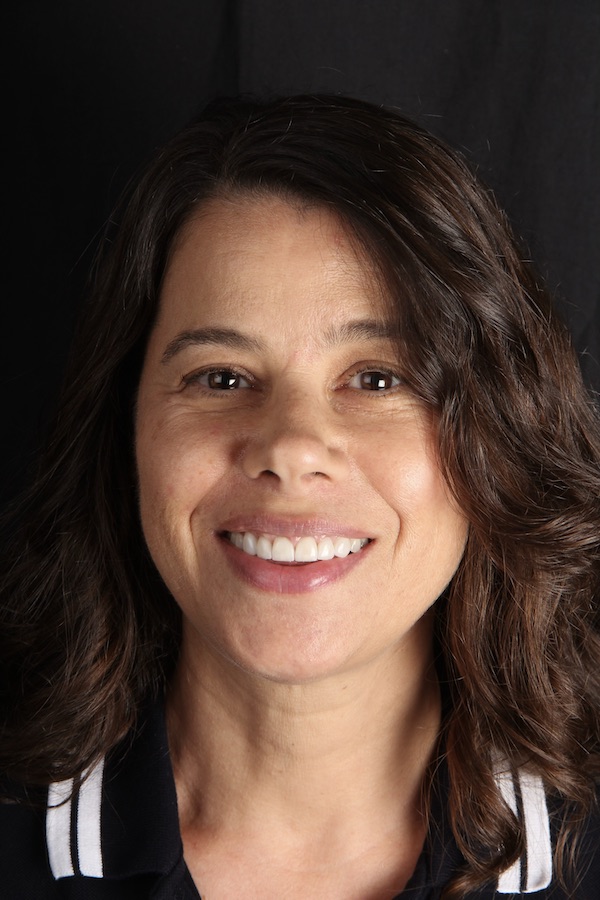
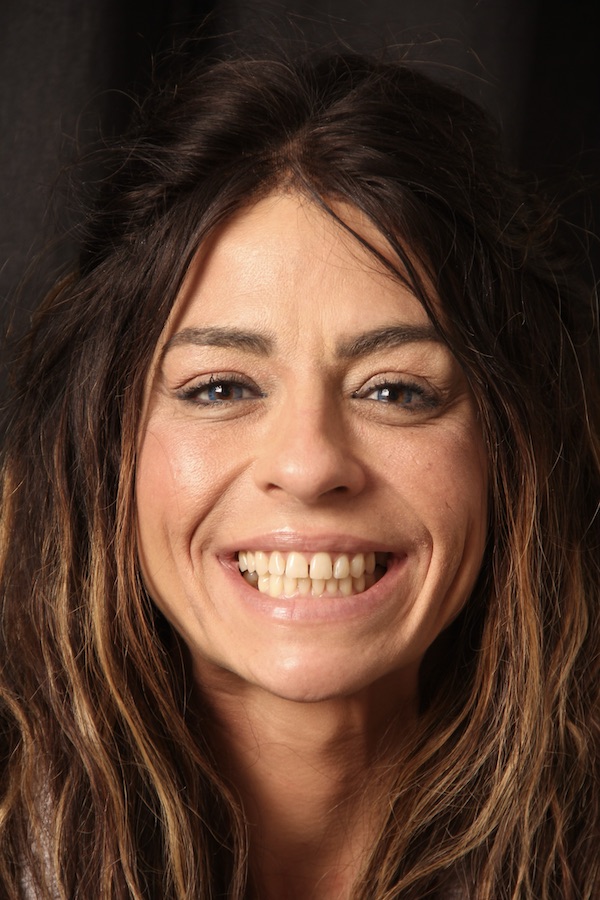
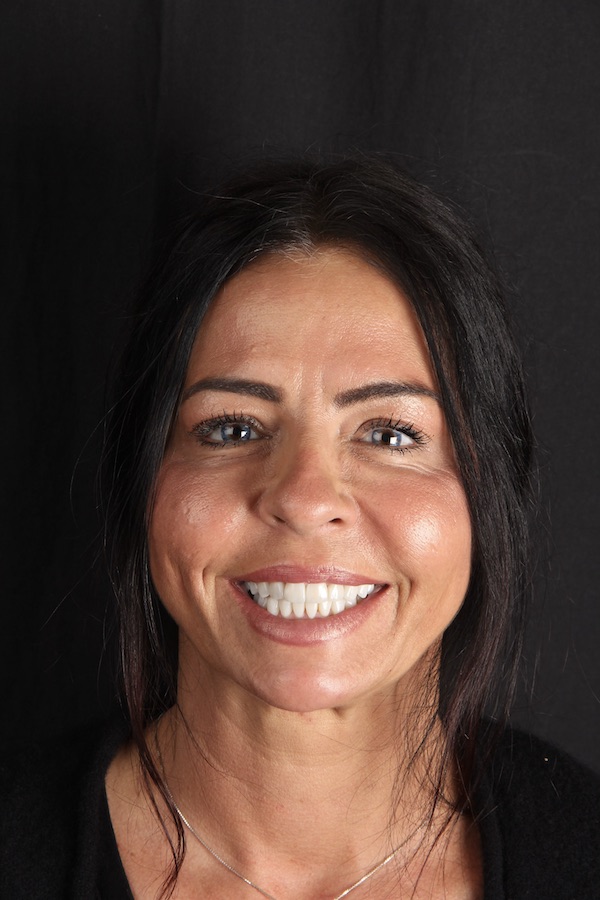
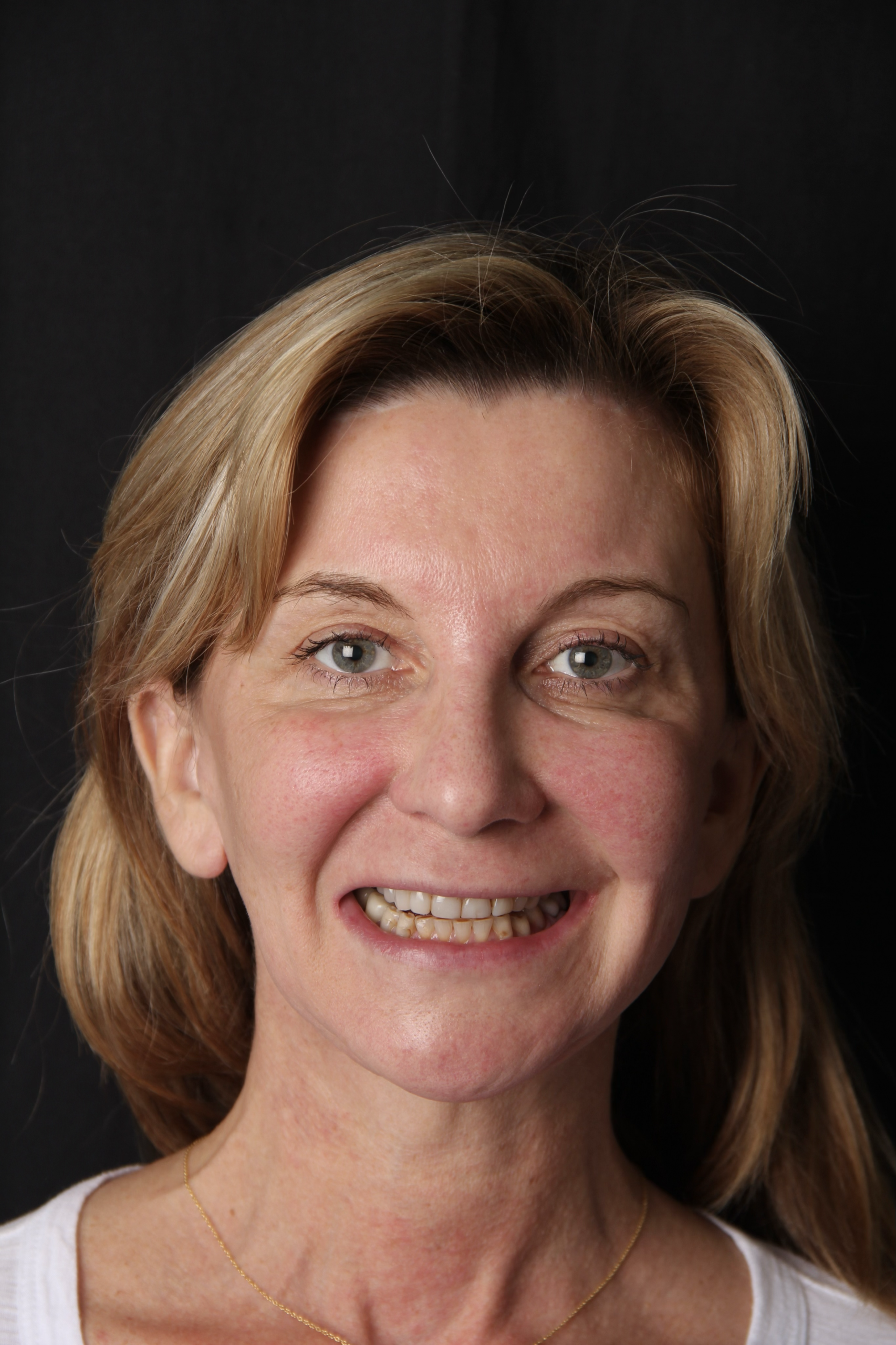
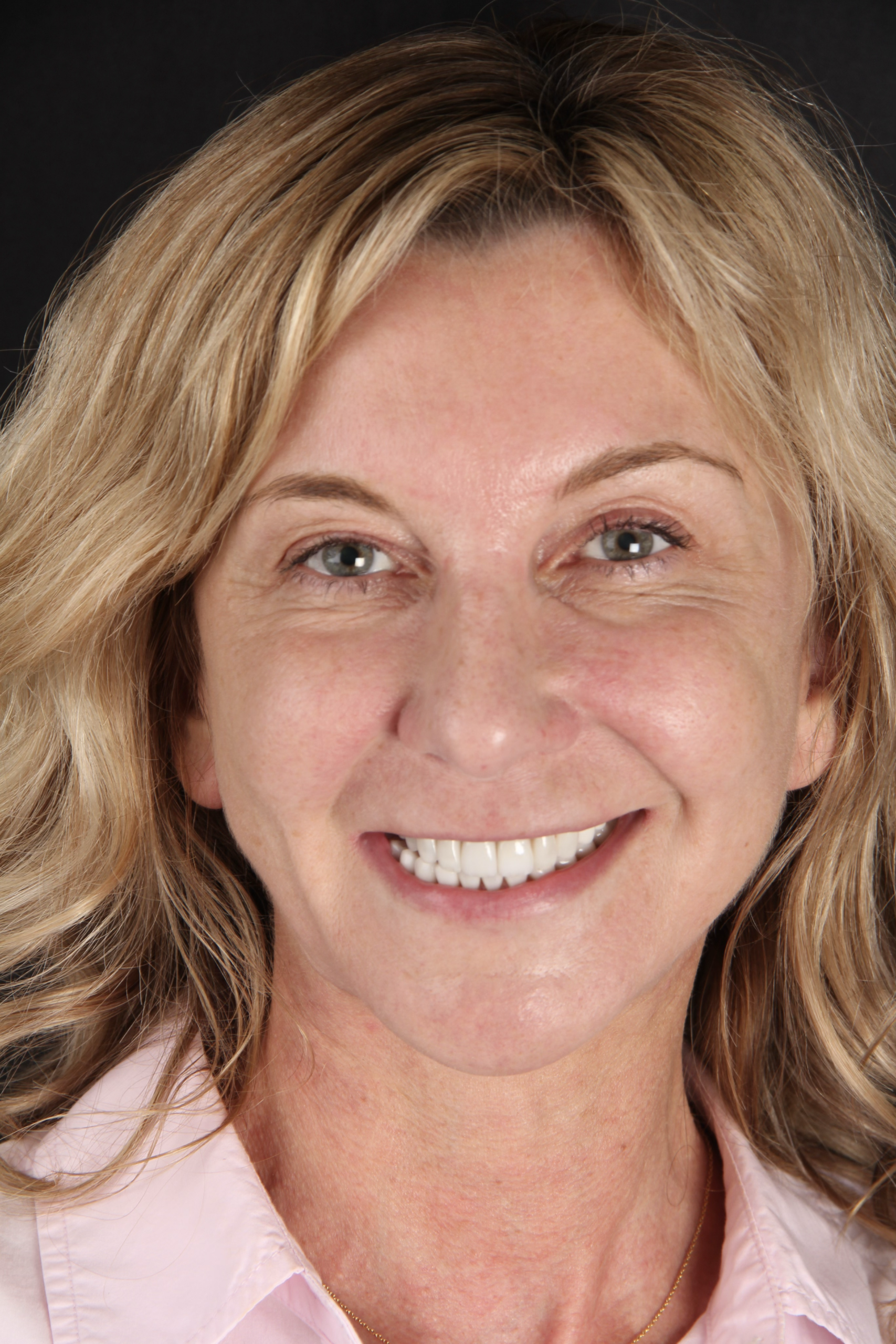
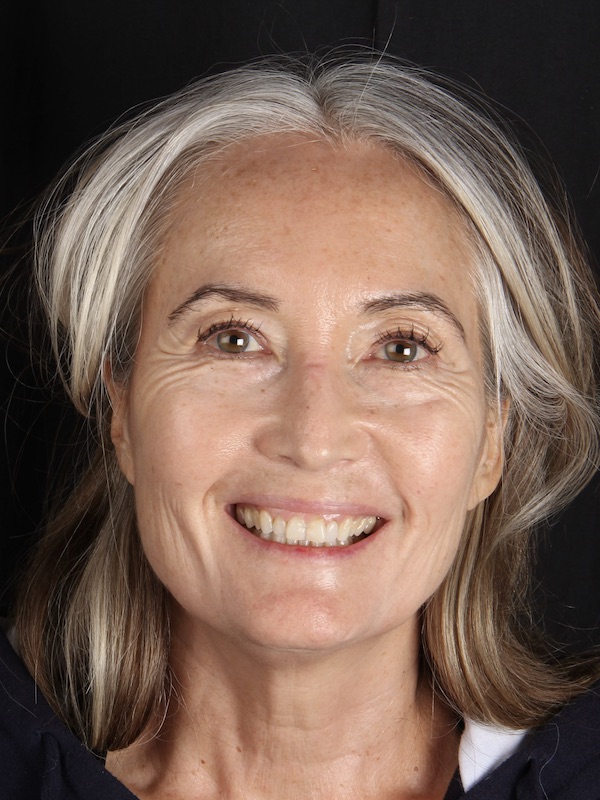
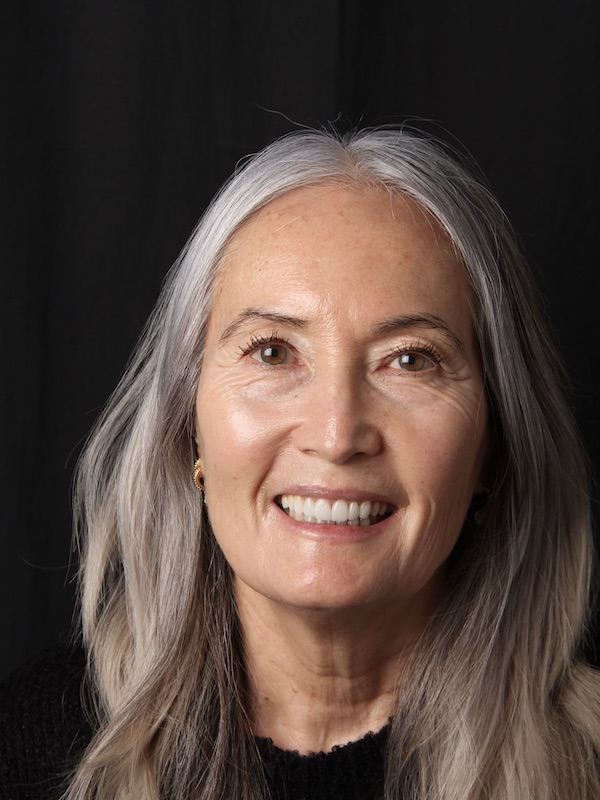
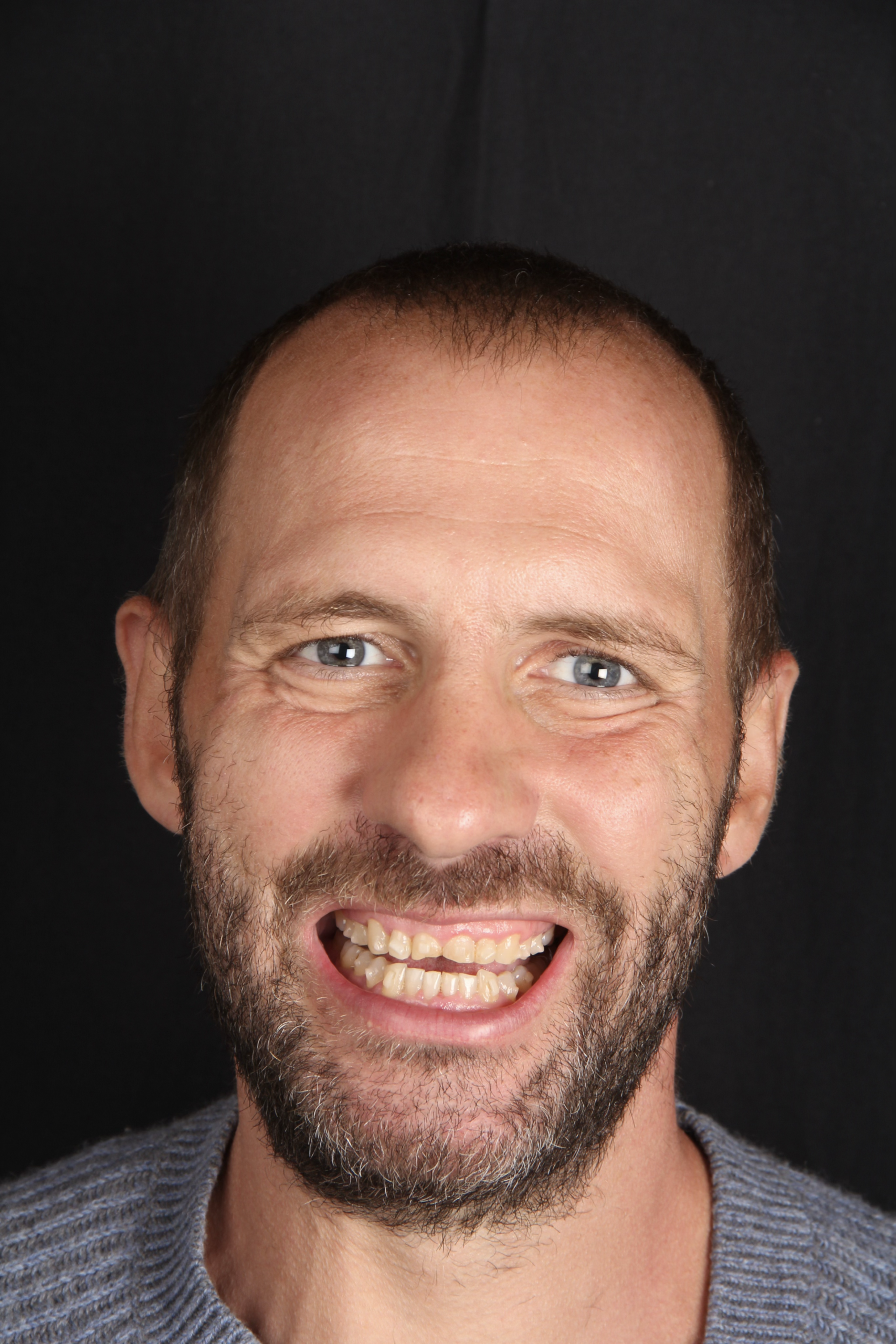
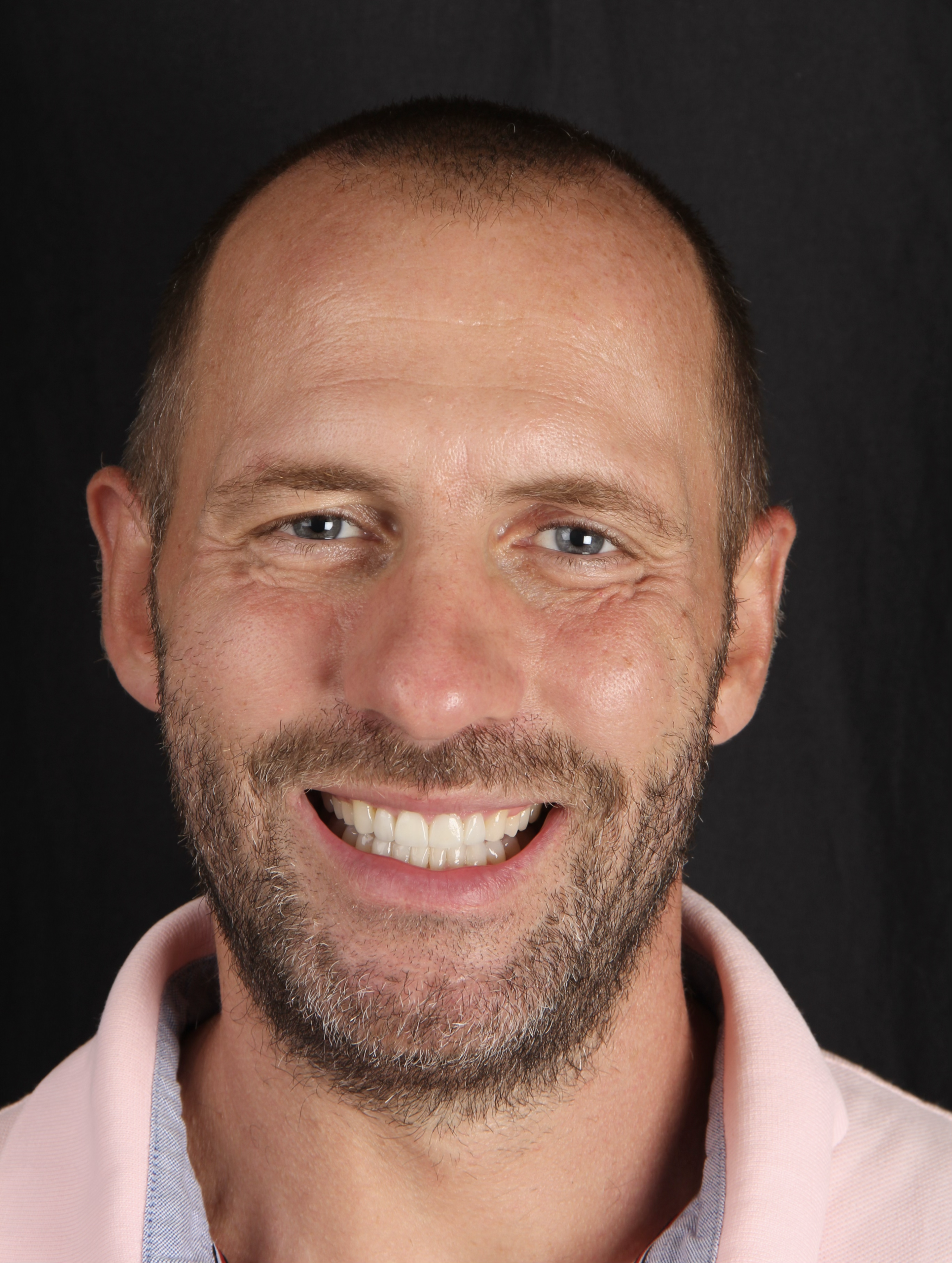
Smile Gallery
Implant-Supported Denture Results
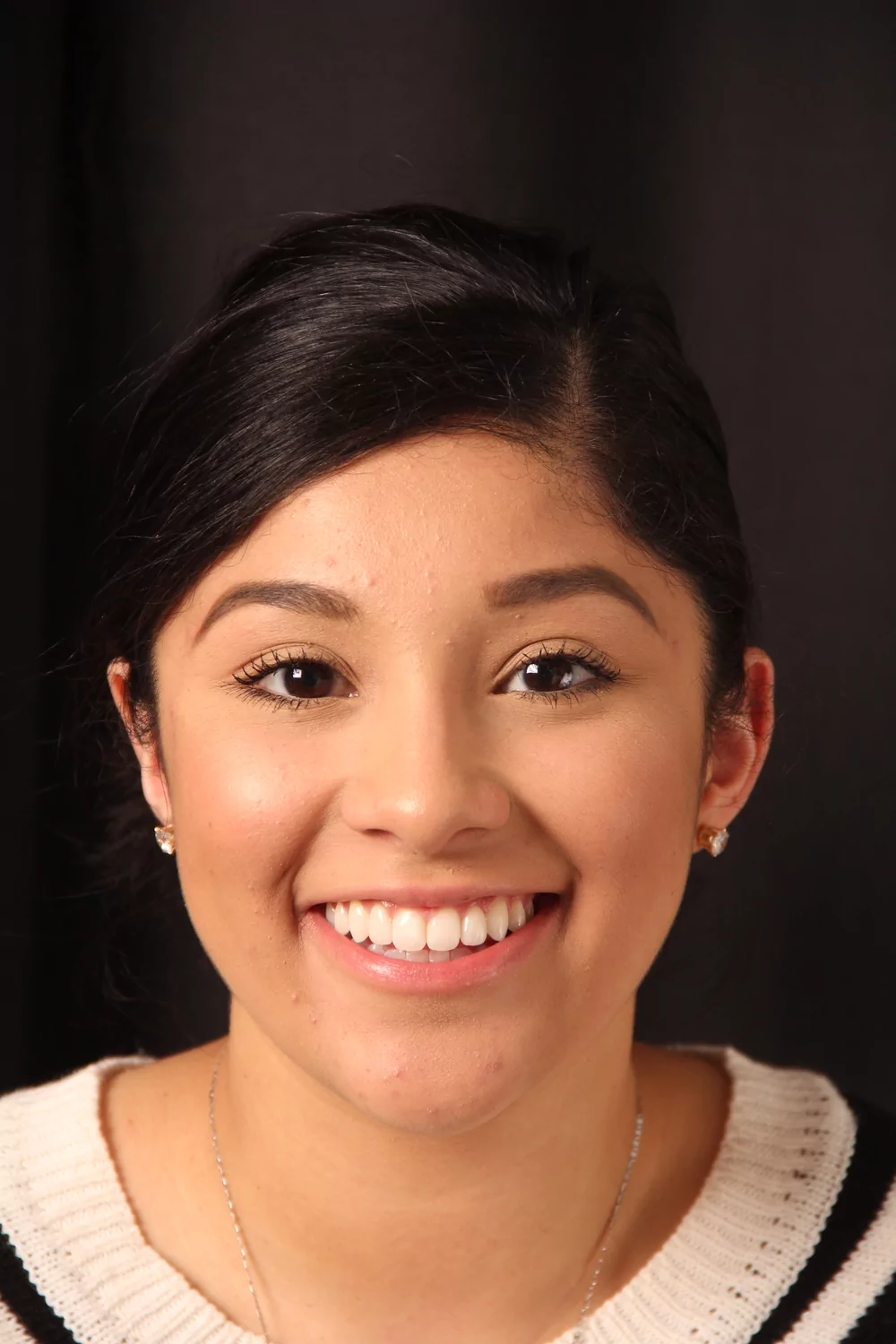
A selection of before-and-after results from Dr. Hovden’s implant-supported denture patients. Real results, photographed to the AACD standard.











Common Questions
Implant-Supported Dentures FAQs
The questions patients ask most before their consultation. Something not here? Call 650-755-6000.
You’ve Managed Long Enough. Teeth That Stay—Permanently—Are Available to You.
Whether you’ve worn dentures for years and want something better, or you’re facing the need for full-arch tooth replacement and want to do it right the first time—book a consultation with Dr. Hovden. A thorough assessment, honest options, and a treatment plan built around your specific situation.
Serving Daly City, San Francisco, Pacifica, and the greater Bay Area · 901 Campus Dr Ste 202, Daly City, CA 94015